


Every family has stories.
Some brag about a knight who fought in a famous battle; others whisper about a scandal at court.
But the rarest stories? They’re hiding in the heraldic symbols carved into shields and banners.
Families who chose unusual images (like chains, snails, or dragons) were basically making a statement for the world to see.
That’s why when you set out to find your family crest, spotting one of these rare coat of arms symbols is like getting the juiciest piece of family gossip straight from the source.
Why Rare Heraldic Symbols Matter

Think of heraldry like the emojis of the medieval world. Except instead of sending them in a text, knights painted them on shields so everyone knew who they were.
Many families chose lions, crosses but some got to stand out with much rarer symbols.
And here’s the fun part: if you’re trying to find your coat of arms or are making your own family crest, stumbling upon one of these unusual images is a jackpot. It means your ancestors were not only bold but also wanted to tell a very specific story.
1. The Snail

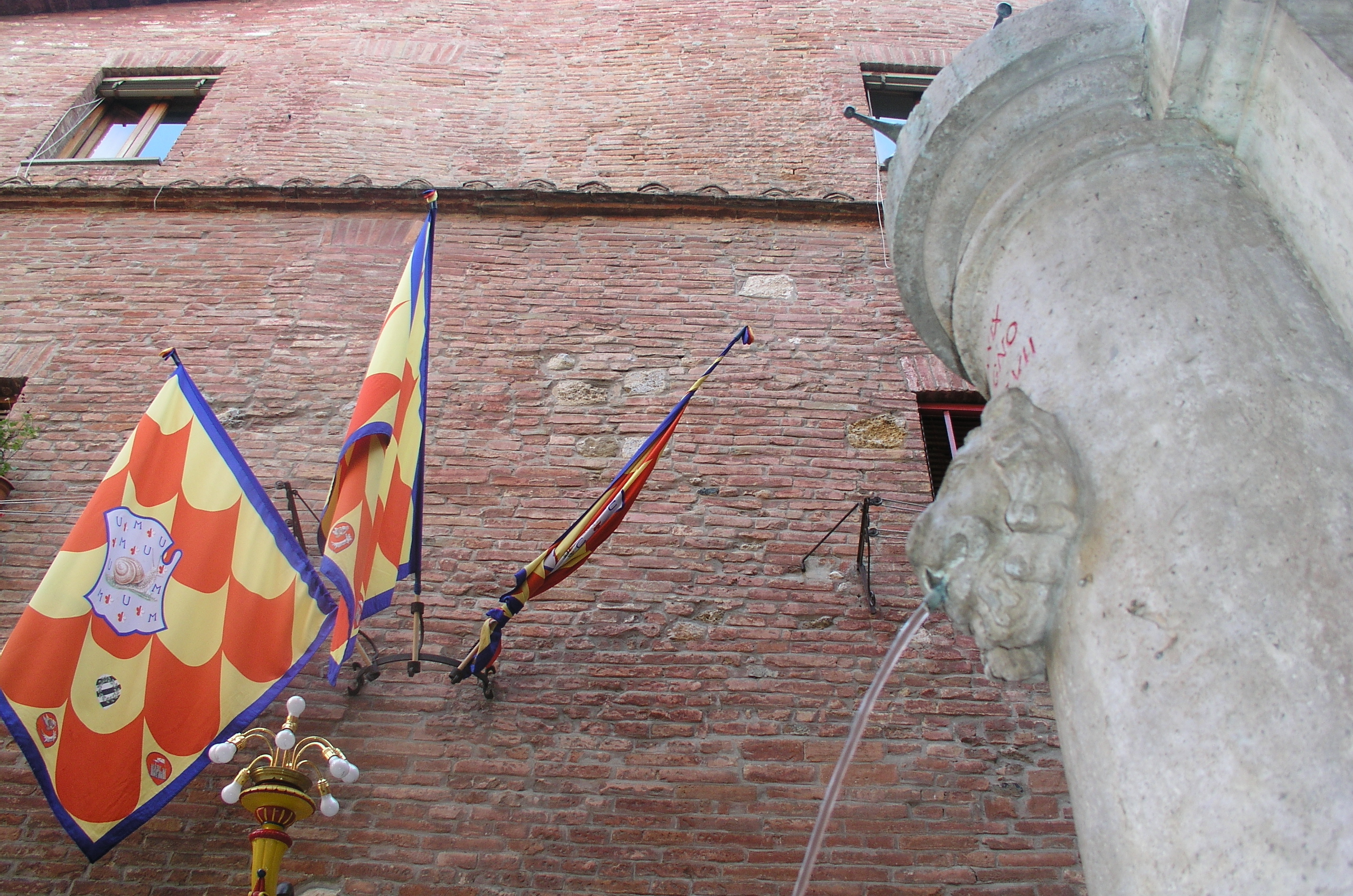
A snail on a shield? That’s either the bravest or funniest choice in heraldry. But snails represented humility and patience. Slow and steady wins the race. Some interpretations even tie it to resurrection, since the snail seems to vanish into its shell and reappear.
Example: The Chiocciola district of Siena, Italy, carries a snail in its crest. So iconic that it became the symbol of one of the city’s famous Palio horse race contrade (districts).
2. The Seahorse

Not the cartoonish seahorse you see in aquariums, but a fierce, horse-headed sea creature. In heraldry, the seahorse symbolizes power over both land and sea. Pretty big bragging rights for naval families!
Example: The crest of Newcastle upon Tyne in England displays two seahorses as supporters, a nod to the city’s strong maritime heritage.
3. The Harpy

Half woman, half bird, all intimidation. The harpy wasn’t exactly a cuddly symbol. It represented ferocity, wind, and stormy power.
4. Chains

Chains might not sound glamorous, but in heraldry, they symbolize loyalty, strength, and being bound by honor. The Kingdom of Navarre in Spain famously used golden chains on a red background, representing unity after a major battle.
Example: The Navarre coat of arms is still used in the modern-day flag, where the golden chains form a central motif.
5. The Human Heart

The cute Valentine’s Day version. In heraldry, the heart represented sincerity, charity, and courage.
Example: The Douglas family of Scotland bore a crowned red heart on their arms, symbolizing the heart of Robert the Bruce carried on crusade.
Other Rare Symbols in Heraldry
Some coats of arms featured oddities that turn heads even today: hybrids, monsters, and symbols that carried very specific messages.
They might look strange, but each one has a purpose.
Here are a few of the rarer emblems you might stumble across!
-
Allocamelus
A donkey’s head on a camel’s body. Odd, rare, and unforgettable.
-
Amphiptere
A winged serpent. Rarely used, it symbolizes vigilance and power.
-
Amphisboena
A serpent with two heads, one at each end. Stood for dual strength and watchfulness.
-
Cockatrice
A rooster-dragon hybrid said to kill with its breath or gaze. Symbol of terror and danger.
-
Cockfish
Half chicken, half fish. A strange hybrid representing adaptability.
-
Crocodile
Exotic and fearsome. Symbolized fury and raw strength, sometimes shown as an alligator.
-
Hourglass
A reminder of mortality and the swift passage of time.
-
Lily
Less common than the fleur-de-lis, the natural lily means purity and innocence.
-
Musimon
A goat-ram hybrid with four horns. Rare, symbolizing stubborn strength.
-
Rhinoceros
Fierce when provoked, peaceful otherwise. A symbol of controlled power.
-
Whale
Feared as a ship destroyer. In heraldry, a sign of destruction and the Devil.
-
Apre (Après)
A bull with a bear’s tail. Rare, representing wild and unpredictable strength.
Why Some Chose Rare Symbols
Every image was chosen with purpose. Picking something unusual was a way of making sure their identity stood out for generations.
Rare coat of arms symbols also spoke to a family’s story, whether it was defending land, surviving hardship, or showing off naval dominance. And since heraldry was recorded carefully, those rare picks still echo today when you’re finding your family crest.
Are Rare Symbols Still Used Today?
The short answer: yes, though not as often.
Some towns, schools, and families still use their historical arms with these rare images. Others have simplified crests over time, dropping the oddities. But when you look closely at old churches, city gates, or seals, you’ll often spot a porcupine or some majestic mythical beast or a simple chain hiding in the stonework.
Hidden Stories in Heraldry
Rare heraldic symbols are history encoded in images.
Families chose them to tell the world who they were, and those choices still speak centuries later.
Whether it’s a porcupine guarding French royalty, a heart carried to honor a clan, or a humble snail declaring patience, these images are reminders that identity has always been about more than the ordinary.
Next time you go finding your family crest, look beyond the lions and crosses. Seek out the rare symbols. The whispers, the secrets, the hidden meanings. That’s where the real treasure waits!
Make your own coat of arms for free
Explore the world of heraldry with our free coat of arms maker. Build your own crest with simple click and drag shields, weapons and lots more.
Image Credits:
-
Strada Mitropolit Antim Ivireanul, Bucharest (Romania) via Wikimedia Commons, source
-
Wappen am Wendelstein des Schlosses Hartenfels in Torgau via Wikimedia Commons, source
-
Siena-Chiocciola via Wikimedia Commons, source
-
Fleuron from book via Wikimedia Commons, source
-
Coat of arms of Newcastle upon Tyne via Wikimedia Commons, source
-
Coat of Arms of Navarre via Wikimedia Commons, source
-
Arms of the House of Douglas via Wikimedia Commons, source
_1.jpg)



.svg)