So, you’ve decided to dive into your family history. That’s awesome. Whether it’s for a school project, a personal passion, or because you're the type who has to document everything (hello, color-coded notebooks), there’s something incredibly rewarding about sitting down with an elder and asking: “Tell me about your life.”
But what should you actually ask? How do you go past the basics (“Where were you born?” “How many siblings did you have?”) and into the really good stuff?
Interview Checklist

Before you jump into the questions, here are a few simple tools to make the interview with your elders smoother and way more meaningful.
-
Question list – A mix of prompts to guide the conversation.
-
Phone or recorder – To capture the full interview (ask for permission first!).
-
Notebook and pen – For jotting down names, dates, and quick notes.
-
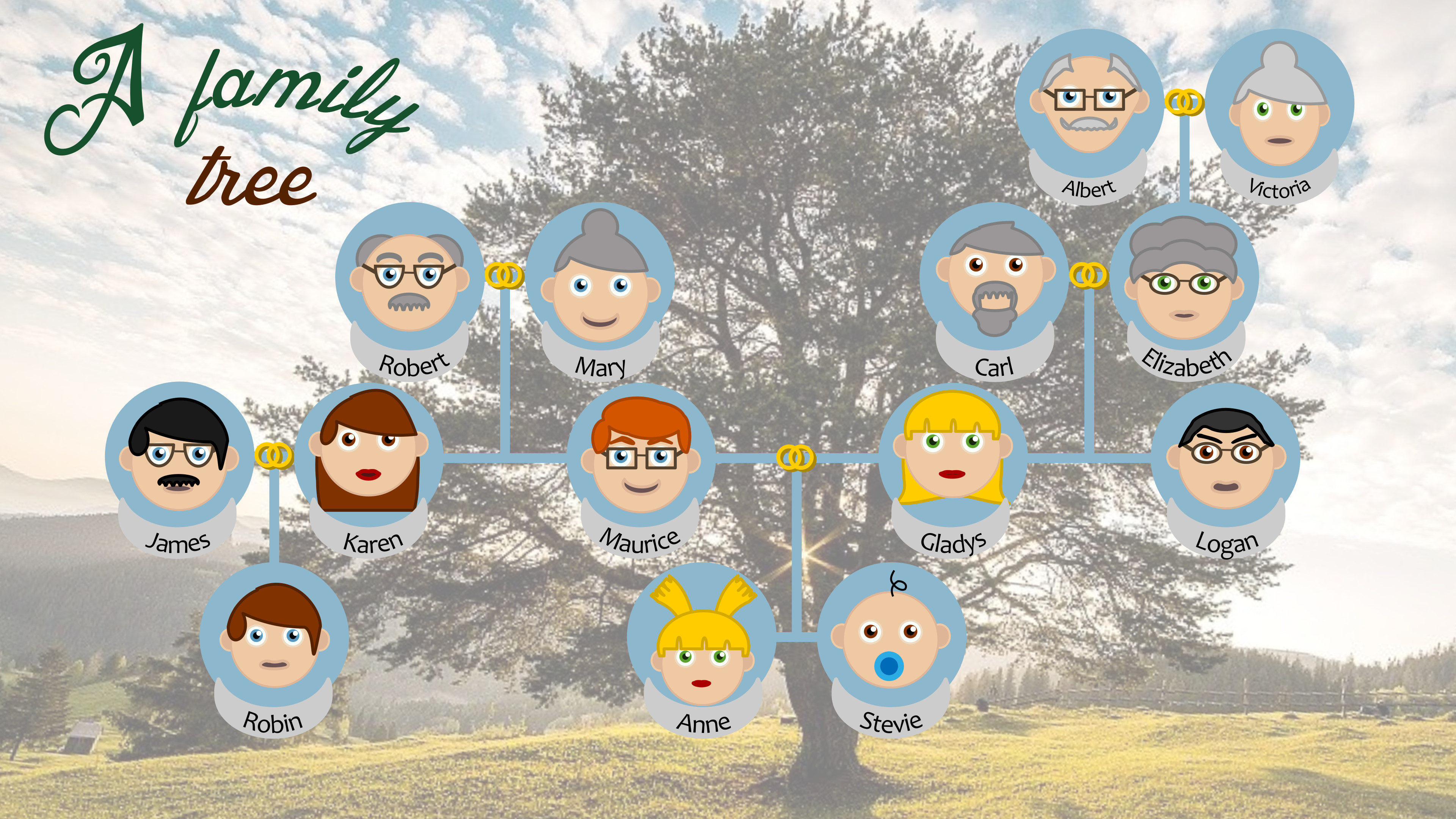
Family tree outline – Prep one ahead or sketch as you go to track relationships.
-
Old photos or heirlooms – These help jog memories and spark deeper stories.
-
Quiet, comfy spot – Choose a relaxed space with minimal distractions.
-
Optional: snacks or drinks – A warm drink can help set a friendly, open mood!
10 Questions That Go Beyond the Basics
Here are 10 questions that go a little deeper (and are way more fun) than, “What year were you born?”
1. What businesses did your relatives own?
This one is a sneaky time machine. Many families had small shops, farms, or trades that shaped their daily lives. The answer might explain your family’s love for labeling everything… or why everyone counts exact change at the grocery store.
Curious about how your ancestors’ job might play a role in your family history? Read here.
2. Can we look at some old photos together?
Old photos unlock memories like nothing else.
Once you’ve got one out, ask:
-
“Who is this with you?”
-
“What’s happening in this picture?”
-
“What was your hairstyle called, and can I bring it back?”
Bonus idea: If you spot any old documents or decorations with a family crest, ask about it! You might just stumble upon a story about your great-great-grandfather’s military service, a long-forgotten village, or the meaning behind that mysterious lion-and-sword emblem on Grandma’s wall.
3. What’s the first big news story you remember?
World events can shape families. Ask your elder about the first major news event they remember and, more importantly, how it made them feel.
For example:
-
“What were people saying about Prince Charles and Princess Diana’s wedding in 1981?
Or go deeper:
-
“How did World War II affect you or your family personally?”
4. Tell me about a time when life was hard.
Yes, this can get emotional. But this is where you’ll learn about your family’s strengths and values, whether it was economic hardship, migration, loss, or war.
Let them know it’s okay not to answer if they don’t want to!
5. What lessons were stressed in your household?
Values like respect, hard work, or “never leave dishes in the sink overnight” often come from generations past.
You might even hear some old-school advice like, “If you can’t afford it twice, don’t buy it.”
6. Are you named after anyone?
You can also use these open-ended versions:
-
“Where did your name come from?”
-
“Did you name your children after anyone special?”
Names often carry memories of loved ones, heroes, or even favorite actors. This one can lead to beautiful stories about the people who came before you! (or reveal you were named after your grandpa’s favorite fishing boat. Who knew?!)
7. How did your parents take care of the house?
This simple question can reveal a lot about the roles that each parent played in the household.
Who got everyone ready? Who made breakfast? Who left early for work? These everyday details offer insight into family dynamics, such as who nurtured, who provided, and how responsibilities were shared (or not).
8. What situations tested your faith?
Religion or faith can be a very important topic for older generations. Belief systems often shape how people see the world and how they cope with life’s hardest moments. Ask gently, and be open to whatever they’re comfortable sharing.
Note: Not everyone has a religion, so if it doesn’t fit, feel free to skip it!
9. Are there any physical traits that run in our family?
This is a sweet one. Maybe everyone has that signature eyebrow or the “family nose.” You’ll leave the conversation with a new appreciation for your ears. Or your high arches!
10. Tell me about a time your job made you feel proud.
Work, for many people, is where they often find purpose. You might learn your grandpa was once Employee of the Month five years in a row!
Tips for a Smooth and Meaningful Interview

You already have trust, shared history, and inside jokes on your side. Now, you just need a little prep to help those stories flow even more naturally.
-
Prepare, but stay flexible
Start by reviewing what you already know. Sketch out a family tree or list of names you’ve heard. This helps you ask better follow-up questions later.
-
Bring photos and keepsakes
Objects help unlock memories. Old pictures, heirlooms, medals, family crests, and recipe cards as visual aids during the interview.
-
Record it (with permission)
Use your phone or a recorder. Not just for notes, but so you can keep their voice and stories forever. Start by saying who you are and the date, then have them introduce themselves, too.
Tip: Use an external microphone if you have one, as it can sit closer to your grandparent so their voice comes through clearly, even if they speak softly.
-
Sketch your family tree or fill in the blanks

You can build a family tree ahead of time with names and relationships you already know. Then, during the interview, just fill in the blanks as you go.
Or, if you prefer to be more in the moment, start sketching from scratch while they talk, as it helps connect the dots in real time.
Either way, having a visual guide is a game changer for your interview!
-
Keep it small
Too many people in the room could mean pressure. Aim for a one-on-one conversation or just one quiet companion who can help you take notes or record if needed.
-
Make them comfortable
Let them know it’s okay to pause, take a break, or skip anything that feels too personal.
Why Interviewing Your Elders Matters

Talking to your older relatives is like opening a living time capsule. Capturing memories, feelings, family values, and hidden stories can deepen your understanding of your life.
So go ahead and ask these 10 unique questions! These valuable stories won’t always be around, but you have the chance to preserve them now.
Image Credits:
-
Imaginary family tree via Wikimedia Commons, source