Map of Belgium showing where the Aks arms are recorded
The Aks arms were recorded in Belgium, c. 1737.
Arms such as these were typically recorded in Brabant.
Brabant lay at the heart of the Low Countries, where the trade routes met. Its towns were wealthy and its landowners many, and both kinds of family kept arms, which is why the region is so heavily represented.
This is where the arms were entered in the register. Families often moved to other parts of the country, so the same name can turn up in more than one region.
The body that granted and recorded arms in Belgium in this period.
Charles VI, Holy Roman Emperor
Sovereign of the period
Charles VI, Holy Roman Emperor
1711–1740
Reigning in Belgium when the Aks arms are first recorded.
How Arms Worked in Belgium
In Belgium, a coat of arms is considered personal property that is passed down through the male line to legitimate descendants. Families often use the same shield design across generations to show their shared heritage. If a branch of the family wants to change the design, they must apply for an official update to their specific version of the arms.
Granting authority
The Conseil héraldique is the official body that regulates and approves all coats of arms in Belgium.
How they got arms
Families obtain their coats of arms through formal royal grants or by confirming their historical right to use existing designs.
Where arms were recorded
All approved coats of arms are officially recorded in the public registers of the Conseil héraldique since 1844.
The family's standing
Recorded among the armigerous families of Belgium.
Origin & History of the Aks Family in Belgium
The history of the Aks family in Belgium is rooted in the historical region of Brabant, where records confirm their presence as early as 1737. During the eighteenth century, Brabant was a central hub of activity within the Austrian Netherlands, characterized by a complex mix of agricultural life and growing trade networks. Families living in this area often navigated a society shaped by local parish administration and the influence of the Catholic Church, which kept meticulous records of births, marriages, and deaths. The name Aks likely emerged from these local communities, where surnames were often tied to specific occupations, geographic features, or nicknames used by neighbors to distinguish one household from another. As the family established their roots in the Brabant countryside, they participated in the daily rhythms of a region known for its fertile soil and its importance as a crossroads for European commerce. Over the following decades, the family name became a permanent part of the local landscape, reflecting the quiet endurance of those who lived and worked in the heart of the Low Countries.
Meaning of the Aks family crest colors & symbols
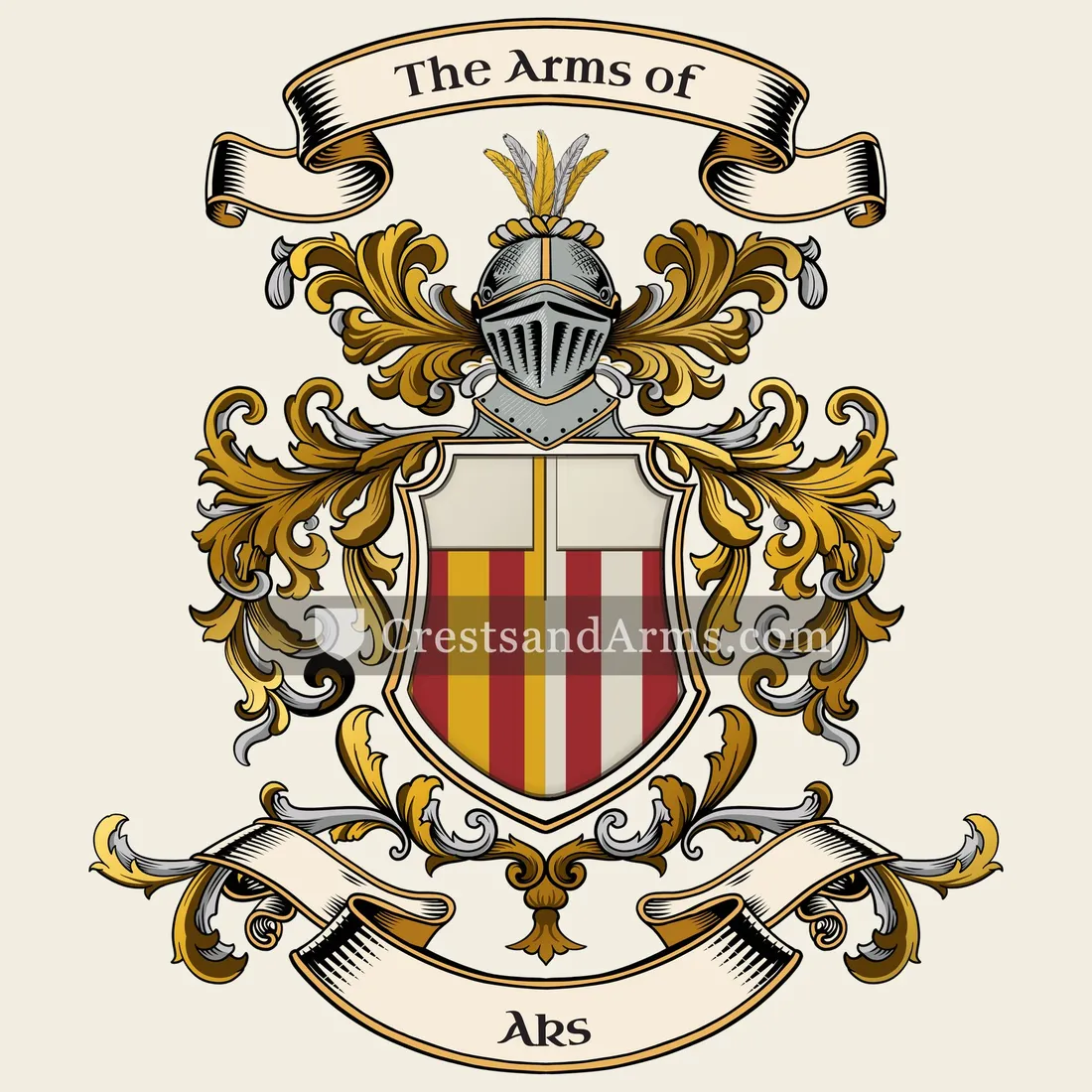
Symbols on this shield
paleMilitary strength, and a fortified defence
chiefAuthority, wisdom and dominion
cross symbolChristian faith and service
Colours
Gold (Or)Means: Generosity
Silver (Argent)Means: Peace and sincerity
Red (Gules)Means: Military strength
Historical info
Source
J. B. Rietstap, Armorial Général, Gouda: G. B. van Goor Zonen, 1884–87
Blazon (the actual original written record)
“D'or à quatre pals de gu.; au chef parti de Jérusalem et de Naples.”
ProvenceProvence, c. 1663
Digital archive packCoat of arms PNG, gold border print PDF, vector SVG and the certificate of authenticity. Sent to your email in minutes.
Map of France showing where the Aks arms are recorded
The Aks arms were recorded in Provence, c. 1663.
Provence was old country, with towns dating to the Romans and families who traced their land back nearly as far. Its gentry were many and long-settled, and long settlement is what fills a register.
This is where the arms were entered in the register. Families often moved to other parts of the country, so the same name can turn up in more than one region.
The body that granted and recorded arms in France in this period.
Louis XIV of France
Sovereign of the period
Louis XIV of France
1643–1715
Reigning in Belgium when the Aks arms are first recorded.
How Arms Worked in France
In France, a coat of arms was a mark of honor that passed down through the male line to all legitimate descendants. Families often used the same shield without changes to show their shared heritage. If a branch wanted to stand out, they could add a small mark to their shield to show their specific place in the family tree.
Granting authority
The Juge d'armes de France acted as the official authority that regulated and verified coats of arms across the country.
How they got arms
Families typically inherited their arms from ancestors, though they could also receive them through royal grants or by proving their noble status.
Where arms were recorded
Coats of arms were officially recorded in the Armorial Général de France, which began its main collection in the year 1696.
The family's standing
Recorded among the armigerous families of Provence.
Origin & History of the Aks Family in France
The history of the Aks family in France is deeply rooted in the sun-drenched landscapes of Provence, where records confirm their presence as early as 1663. During the seventeenth century, Provence was a region defined by its distinct local customs and a complex social structure that linked families to the land and the local church. The name likely emerged within these rural communities as a way to identify specific households or individuals based on their trade or geographic origins. Life in this period was shaped by the influence of the French monarchy and the daily requirements of agricultural labor in the Mediterranean climate. As the family established themselves in the region, they became part of the local fabric that defined provincial life under the reign of King Louis XIV. Their survival and growth during this era reflect the broader patterns of migration and family stability that characterized the southern French countryside long before the modern era.
Aks Meaning & Related Branches
Root word
Axel
A Scandinavian form of the Hebrew name Absalom meaning father of peace.
This name
AksA patronymic surname derived from the personal name Axel, indicating son of Axel.
also spelled
Aixe
Aixs
Aixx
Aks
Documented Sources
J. B. Rietstap, Armorial Général, Gouda: G. B. van Goor Zonen, 1884–87
State Archives in Belgium (Rijksarchief), Parochieregisters van de provincie Brabant
Vannieuwenhuyze, Bram, Brussel, de ontwikkeling van een middeleeuwse stedelijke ruimte, 2008
Digital archive packCoat of arms PNG, gold border print PDF, vector SVG and the certificate of authenticity. Sent to your email in minutes.


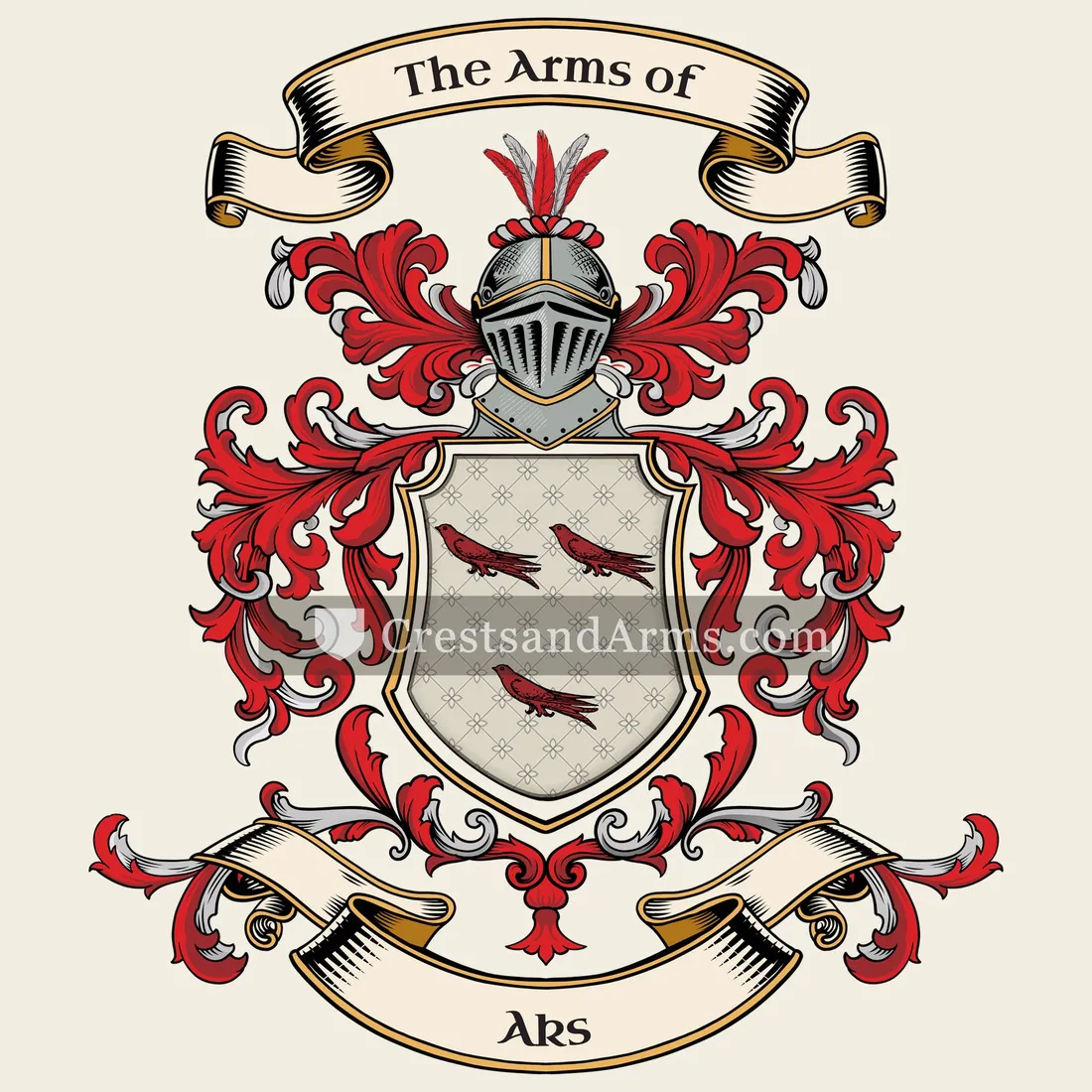
 martletA younger son, who must win his own land
 martletA younger son, who must win his own land


 paleMilitary strength, and a fortified defence
 chiefAuthority, wisdom and dominion
 cross symbolChristian faith and service