Map of Germany showing where the Aldrin arms are recorded
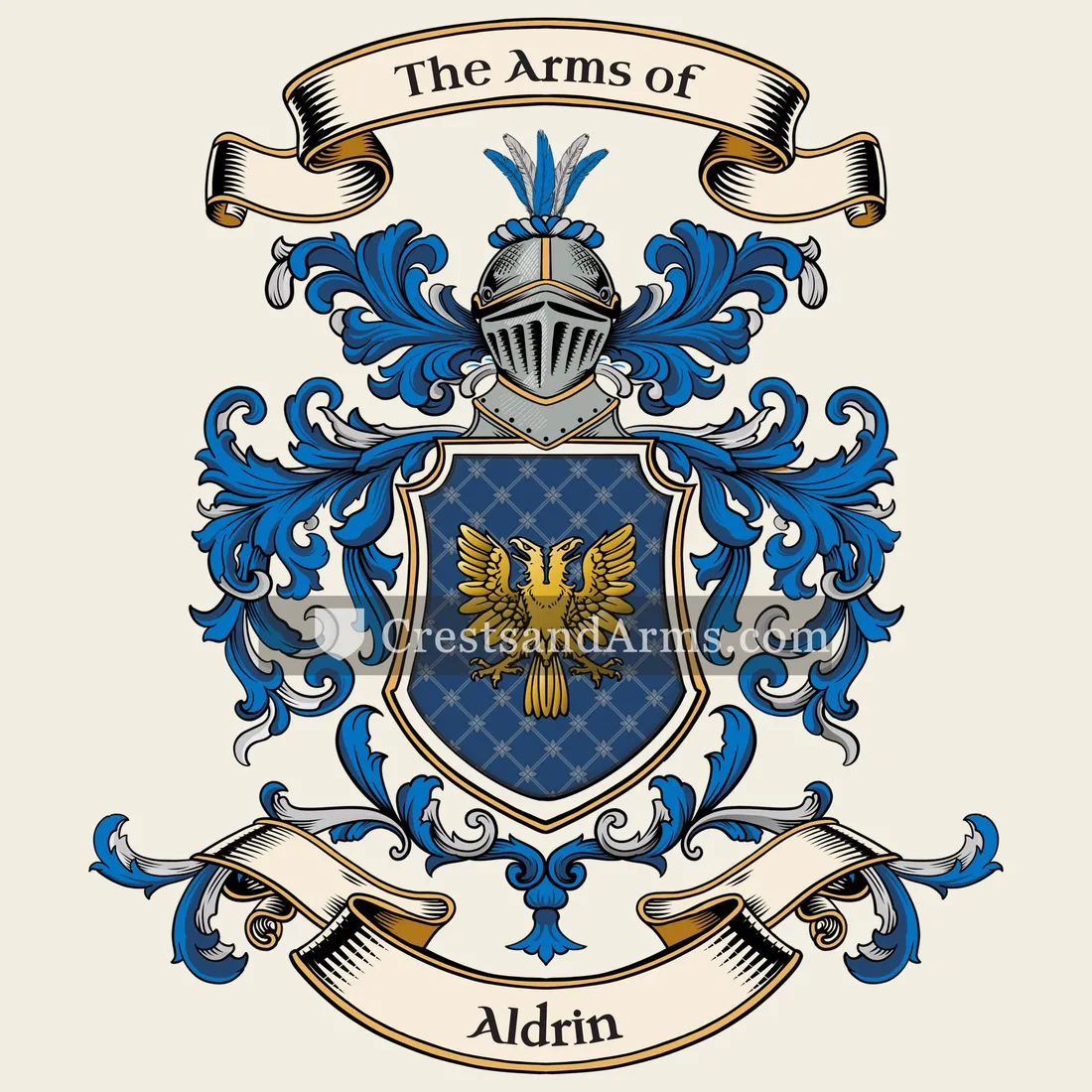
The Aldrin arms were recorded in Ostfrise, c. 1765.
This is where the arms were entered in the register. Families often moved to other parts of the country, so the same name can turn up in more than one region.
The body that granted and recorded arms in Germany in this period.
Francis I, Holy Roman Emperor
Sovereign of the period
Francis I, Holy Roman Emperor
1745–1765
Reigning in Germany when the Aldrin arms are first recorded.
How Arms Worked in Germany
In the Holy Roman Empire, coats of arms were often granted to individuals by the Emperor or his representatives. These arms were then passed down through the generations to all legitimate descendants of the original holder. Younger branches of a family usually kept the same shield design without needing to change it, as the arms belonged to the entire lineage.
Granting authority
The Holy Roman Emperor held the sole power to grant new coats of arms throughout his vast imperial territories.
How they got arms
Families typically obtained their coats of arms through a formal imperial grant or by proving their noble status to the authorities.
Where arms were recorded
These grants were officially recorded in the Imperial Chancery registers, which began keeping formal records of such honors during the Middle Ages.
The family's standing
Recorded among the armigerous families of Germany.
Origin & History of the Aldrin Family in Germany
The family name Aldrin finds its historical roots in the region of East Frisia, known locally as Ostfriesland, where records confirm the family was established by 1765. The name likely originated as a patronymic, which means it was derived from the given name of an early ancestor. In the Germanic linguistic tradition, names like Aldrin often combine elements related to old age or nobility with protection or counsel. Living in the marshy and coastal landscape of East Frisia, early members of the family were likely involved in the region’s traditional agricultural practices or maritime trade. Because this area was historically influenced by both Low German and Dutch cultures, the family name evolved alongside these languages as the community grew. These early generations helped shape the local identity of the region before the name eventually spread to other parts of the world.
Aldrin Meaning & Related Branches
Root word
Aldric
Old High German elements meaning old and ruler or power.
This name
AldrinDerived from the Germanic name meaning old ruler or wise advisor.
also spelled
Aldringhe
Aldring
Aldringh
Documented Sources
J. B. Rietstap, Armorial Général, Gouda: G. B. van Goor Zonen, 1884–87
Beninga, Eggerik. Cronica der Fresen. 1706
Lower Saxony State Archives (Niedersächsisches Landesarchiv), Aurich branch. Ostfriesische Landschaftliche Brandkasse records. 1765
Ubbo Emmius. Rerum Frisicarum historia. 1616
Digital archive packCoat of arms PNG, gold border print PDF, vector SVG and the certificate of authenticity. Sent to your email in minutes.


 eagleNobility, strength and a keen mind
 eagleNobility, strength and a keen mind