Map of France showing where the Alpay arms are recorded
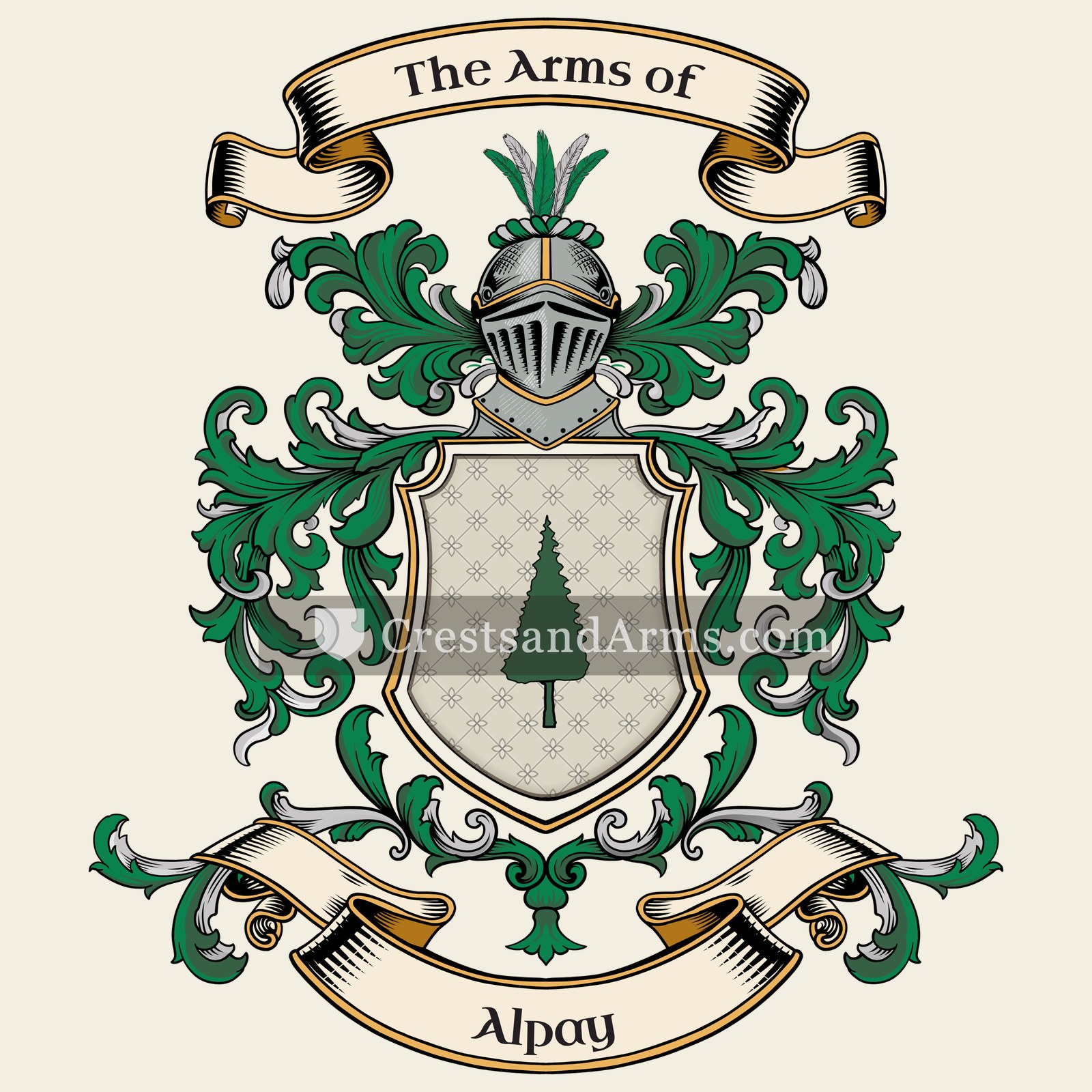
The Alpay arms were recorded in Franche-Comte, c. 1592.
Franche-Comte sat between France and the Empire and changed hands more than once. Border families held their land under arms and expected to defend it, so a shield was a practical thing rather than an ornament.
This is where the arms were entered in the register. Families often moved to other parts of the country, so the same name can turn up in more than one region.
The body that granted and recorded arms in France in this period.
Henry IV of France
Sovereign of the period
Henry IV of France
1589–1610
Reigning in France when the Alpay arms are first recorded.
How Arms Worked in France
In France, a coat of arms was a mark of honor that passed down through the male line to all legitimate descendants. Families often used the same shield without changes to show their shared heritage. If a branch wanted to stand out, they could add a small mark to their shield to show their specific place in the family tree.
Granting authority
The Juge d'armes de France acted as the official authority that regulated and verified coats of arms across the country.
How they got arms
Families typically inherited their arms from ancestors, though they could also receive them through royal grants or by proving their noble status.
Where arms were recorded
Coats of arms were officially recorded in the Armorial Général de France, which began its main collection in the year 1696.
The family's standing
Recorded among the armigerous families of Franche-Comte.
Origin & History of the Alpay Family in France
The family name Alpay has deep roots in the historical region of Franche-Comté, where records confirm members of the family were established by at least 1592. During this period, the region was a crossroads of European influence, often caught between the interests of the Spanish Habsburgs and the French monarchy. Families living in this area were frequently involved in local agriculture, trade, or the administrative duties required to manage the rugged mountain landscape of the Jura. Because the name appears in regional documents from the late sixteenth century, it suggests that the family was well-integrated into the local social fabric during a time of significant religious and political transition. Over the following generations, the family likely adapted to the shifting borders of the region, maintaining their presence through the transition of Franche-Comté from a semi-autonomous territory to a formal province of France in the late seventeenth century.
Related Branches & Arms
Root word
Alp
A Turkic term referring to a hero, brave warrior, or valiant person.
This name
AlpayA surname signifying a brave or heroic individual, often associated with noble strength.
also spelled
Alepi
Alepie
Documented Sources
J. B. Rietstap, Armorial Général, Gouda: G. B. van Goor Zonen, 1884–87
Archives départementales du Doubs, Série B: Cours et juridictions
Gautherot, Gustave, Histoire de la Franche-Comté, 1920
Piquard, Maurice, La Franche-Comté sous les archiducs, 1930
Digital archive packCoat of arms PNG, gold border print PDF, vector SVG and the certificate of authenticity. Sent to your email in minutes.


 pine treeSteadfastness through every season
 pine treeSteadfastness through every season