Map of Austria showing where the Bela arms are recorded
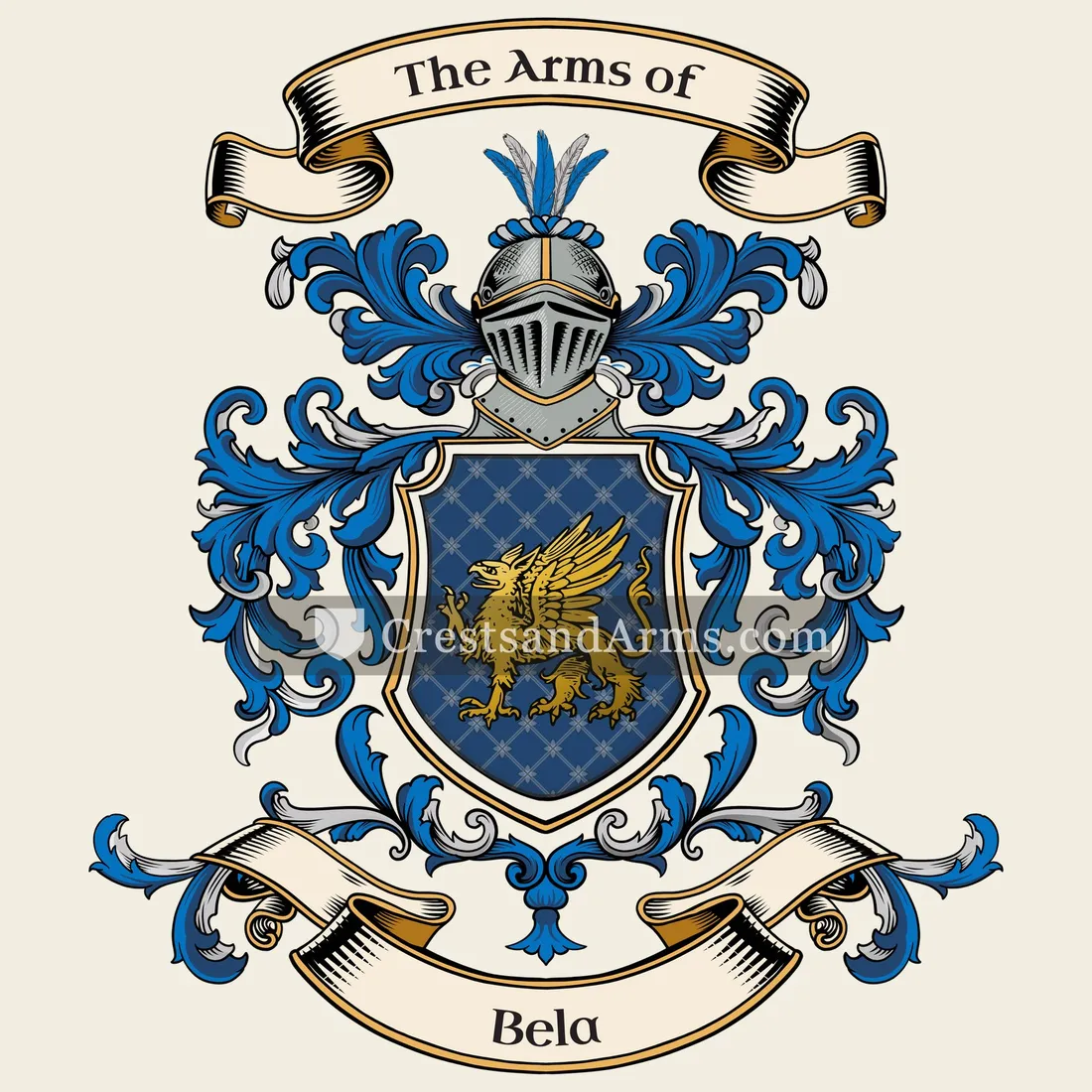
The Bela arms were recorded in Austria, c. 1628.
Arms such as these were typically recorded in Tyrol.
Tyrol was mountain country in western Austria, where the valleys were held by families who had been there a very long time. Old tenure counted for more than money, and old families carried arms.
This is where the arms were entered in the register. Families often moved to other parts of the country, so the same name can turn up in more than one region.
Region
Tyrol
First recorded
1628
Granting Authority for the Bela Arms
Imperial and Royal chancery
Sodacan · CC BY-SA 3.0
The body that granted and recorded arms in Austria in this period.
Ferdinand II, Holy Roman Emperor
Sovereign of the period
Ferdinand II, Holy Roman Emperor
1619–1637
Reigning in Austria when the Bela arms are first recorded.
How Arms Worked in Austria
Austrian coats of arms were often linked directly to noble titles granted by the Emperor. These symbols belonged to the entire family line rather than just one individual. When a family grew, new branches kept the original design without needing to change it. This system allowed all members of a noble house to share the same identity across many generations.
Granting authority
The Imperial and Royal chancery managed all heraldic matters and controlled the official granting of arms throughout the Austrian lands.
How they got arms
Families typically received their arms through a formal imperial decree that often accompanied the elevation of a person to noble status.
Where arms were recorded
Official records of these grants were kept in the Imperial Register of Nobility which began its formal documentation process in 1453.
The family's standing
Recorded among the armigerous families of Austria.
Origin & History of the Bela Family in Austria
The family name Bela has deep roots in the Alpine region of Tyrol, where records confirm members of the family were established by the year 1628. During this period, the name was likely shaped by the unique linguistic blend of the area, which sat at the crossroads of Germanic and Romance cultures. Families in this mountainous territory often derived their surnames from local geography, specific trades, or personal nicknames that described a person's character or appearance. Given the rugged landscape of Tyrol, the Bela family likely lived in small, tight-knit mountain communities that relied on agriculture, forestry, or trade routes connecting northern and southern Europe. As the family grew, they became part of the social fabric of the region, participating in the local customs and economic life that defined the seventeenth-century Tyrolian landscape.
Bela Meaning & Related Branches
Root word
Béla
Old Hungarian term meaning white or bright.
This name
BelaDerived from a Slavic or Hungarian given name signifying brightness or purity.
also spelled
Bellag
Belagh
Bela
Documented Sources
J. B. Rietstap, Armorial Général, Gouda: G. B. van Goor Zonen, 1884–87


 griffinValour and vigilance, guarding great treasure
 griffinValour and vigilance, guarding great treasure