Map of Switzerland showing where the Bessent arms are recorded
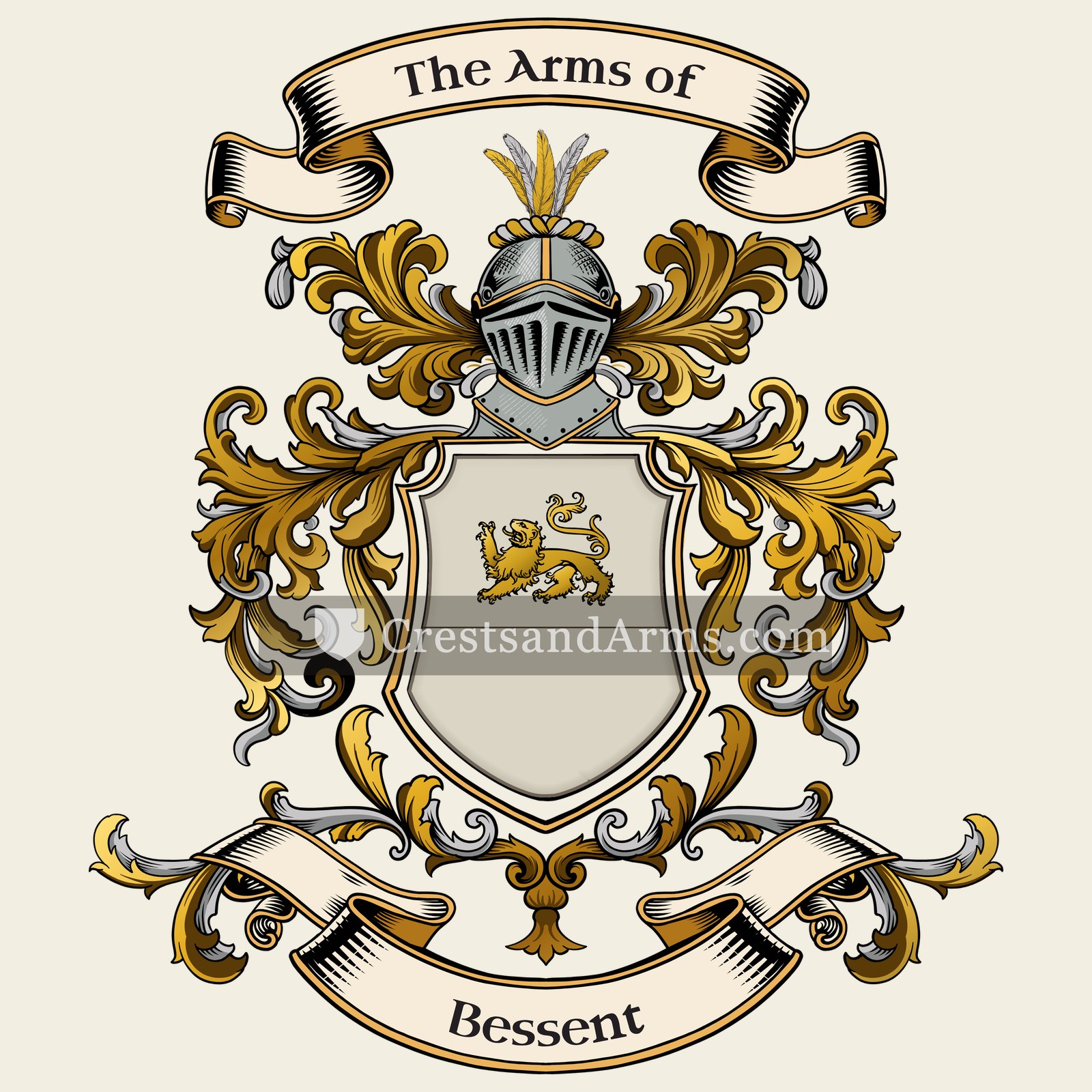
The Bessent arms were recorded in Genève, c. 1745.
This is where the arms were entered in the register. Families often moved to other parts of the country, so the same name can turn up in more than one region.
The body that granted and recorded arms in Switzerland in this period.
How Arms Worked in Switzerland
In Switzerland, coats of arms were not restricted to the nobility and were often adopted by common citizens and families. These symbols were passed down through generations to show family identity. When branches of a family grew, they often changed small details of the design to distinguish their own line from the original group.
Granting authority
Cantonal and civic authorities managed the use of coats of arms within their specific regions and local jurisdictions.
How they got arms
Families typically assumed their own coats of arms based on local custom rather than receiving them from a central monarch.
Where arms were recorded
Arms were recorded in various cantonal and civic registers starting from the fourteenth century throughout the Swiss region.
The family's standing
Recorded among the armigerous families of Switzerland.
Origin & History of the Bessent Family in Switzerland
The family name Bessent has deep roots in the French-speaking regions of Europe, with documented evidence placing the family in Geneva by 1745. During the eighteenth century, Geneva served as a major intellectual and commercial hub, attracting skilled individuals and families from across the continent. The name likely originated as a topographical or descriptive surname, which was a common practice for families living near specific landmarks or within distinct rural communities in France. As the family established themselves in Geneva, they became part of the city's vibrant social fabric during a time of significant political and cultural change. Their presence in the city records suggests they were integrated into the local community, likely participating in the trade or professional life that defined the region during the Enlightenment era.
Related Branches & Arms
Root word
Besso
Derived from the Germanic personal name Besso meaning bear.
This name
BessentA patronymic surname indicating descent from an ancestor named Besso or a dweller near a specific landmark.
Documented Sources
J. B. Rietstap, Armorial Général, Gouda: G. B. van Goor Zonen, 1884–87
Archives d'État de Genève, Registres du Conseil d'État, 1745
Dictionnaire historique de la Suisse, "Genève (commune)," 2014
Moreri, Louis, Le Grand Dictionnaire historique ou le mélange curieux de l'histoire sacrée et profane, 1759
Digital archive packCoat of arms PNG, gold border print PDF, vector SVG and the certificate of authenticity. Sent to your email in minutes.


 lionCourage, strength and royalty
 lionCourage, strength and royalty