Map of Switzerland showing where the Biber arms are recorded
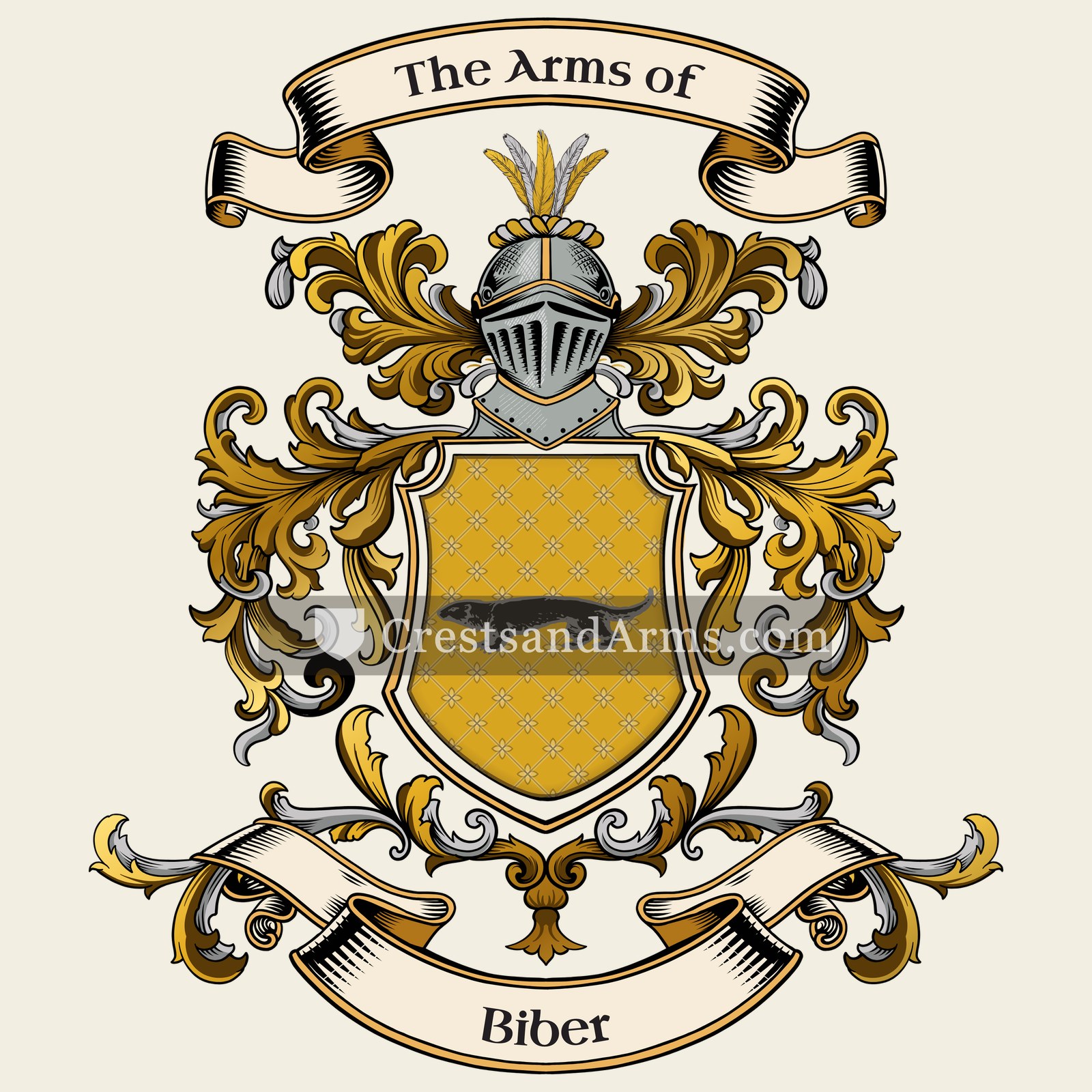
The Biber arms were recorded in Zurich, c. 1745.
This is where the arms were entered in the register. Families often moved to other parts of the country, so the same name can turn up in more than one region.
The body that granted and recorded arms in Switzerland in this period.
How Arms Worked in Switzerland
In Switzerland, coats of arms were not restricted to the nobility and were often adopted by common citizens and families. These symbols were passed down through generations to show family identity. When branches of a family grew, they often changed small details of the design to distinguish their own line from the original group.
Granting authority
Cantonal and civic authorities managed the use of coats of arms within their specific regions and local jurisdictions.
How they got arms
Families typically assumed their own coats of arms based on local custom rather than receiving them from a central monarch.
Where arms were recorded
Arms were recorded in various cantonal and civic registers starting from the fourteenth century throughout the Swiss region.
The family's standing
Recorded among the armigerous families of Switzerland.
Origin & History of the Biber Family in Switzerland
The surname Biber is a German occupational name that originally referred to someone who hunted or traded in beavers. In the Middle Ages, beavers were highly valued for their thick fur and the oil they produced, making the profession a significant part of the local economy. By the time the family was firmly established in Zurich in 1745, the name had become a permanent identifier for families living in the region. Many people with this name were part of the growing urban middle class, often working as skilled craftsmen or merchants. As the family settled into life in Zurich, they became part of the city's long tradition of trade and civic participation. The name has since remained a steady presence in Swiss history, reflecting the practical roots of the families who first adopted it centuries ago.
Biber Meaning & Related Branches
Root word
Biber
Germanic term for the semi-aquatic rodent known as the beaver.
This name
BiberAn occupational surname for a hunter, trapper, or someone who lived near a beaver habitat.
also spelled
Byber
Bieber
Beaver
Related arms
Biebervariant spelling
Documented Sources
J. B. Rietstap, Armorial Général, Gouda: G. B. van Goor Zonen, 1884–87
Bahlow, Hans, Deutsches Namenlexikon: Familien- und Vornamen nach Ursprung und Sinn erklärt, 1967
Heintze, Albert, Die deutschen Familien-Namen: geschichtlich, geographisch, sprachlich, 1903
Staatsarchiv des Kantons Zürich, Zürcher Bürgerrechtsregister, 1745
Digital archive packCoat of arms PNG, gold border print PDF, vector SVG and the certificate of authenticity. Sent to your email in minutes.


 otterOne who lives life to the full
 otterOne who lives life to the full