Map of Germany showing where the Bibro arms are recorded
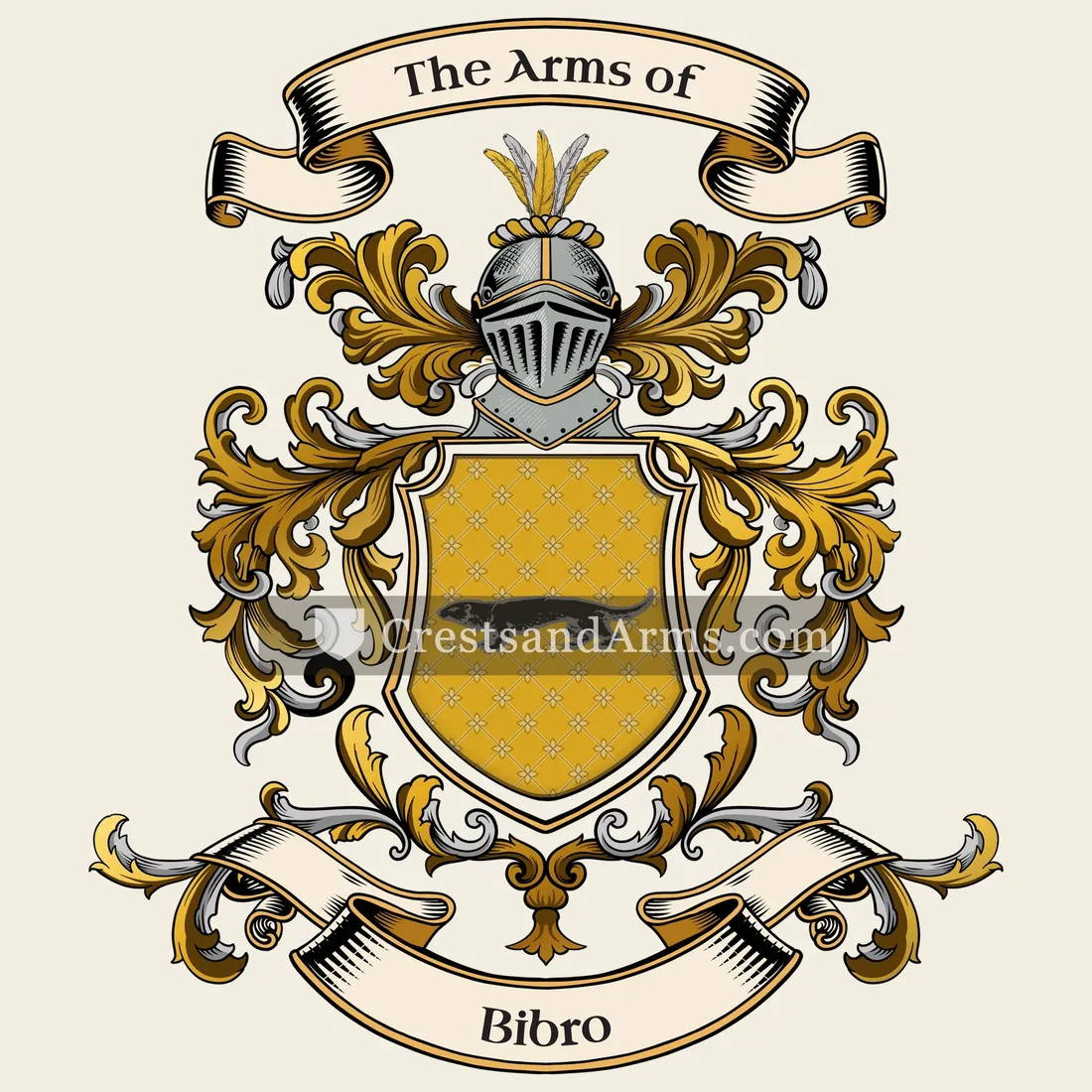
The Bibro arms were recorded in Saxony, c. 1698.
Saxony had mines, trade and old landed families all at once. Silver made some fortunes and land held others, and both sorts of family kept arms, which is why Saxon names appear so often in the registers.
This is where the arms were entered in the register. Families often moved to other parts of the country, so the same name can turn up in more than one region.
The body that granted and recorded arms in Germany in this period.
Leopold I, Holy Roman Emperor
Sovereign of the period
Leopold I, Holy Roman Emperor
1658–1705
Reigning in Germany when the Bibro arms are first recorded.
How Arms Worked in Germany
In the Holy Roman Empire, coats of arms were often granted to individuals by the Emperor or his representatives. These arms were then passed down through the generations to all legitimate descendants of the original holder. Younger branches of a family usually kept the same shield design without needing to change it, as the arms belonged to the entire lineage.
Granting authority
The Holy Roman Emperor held the sole power to grant new coats of arms throughout his vast imperial territories.
How they got arms
Families typically obtained their coats of arms through a formal imperial grant or by proving their noble status to the authorities.
Where arms were recorded
These grants were officially recorded in the Imperial Chancery registers, which began keeping formal records of such honors during the Middle Ages.
The family's standing
Recorded among the armigerous families of Saxony.
Origin & History of the Bibro Family in Germany
The family name Bibro traces its roots to the historical region of Saxony, where members of the family were documented as early as 1698. During this period, Saxony was a prominent center of culture and industry within the Holy Roman Empire. Families living in this area often took names that reflected their local surroundings, their trade, or their specific village of origin. Given the linguistic patterns of the region, the name likely evolved from regional dialects that were common among the local population during the late seventeenth century. As the family established itself in the Saxon landscape, they became part of the social fabric of a region known for its transition from medieval traditions to the early modern era. This early presence suggests that the family was integrated into the local community life, participating in the agricultural or craft-based economy that defined the Saxon countryside at the turn of the eighteenth century.
Bibro Meaning & Related Branches
Root word
Biber
A semi-aquatic rodent known for building dams.
This name
BibroAn occupational or descriptive surname referring to a beaver trapper or hunter.
also spelled
Bybra
Documented Sources
J. B. Rietstap, Armorial Général, Gouda: G. B. van Goor Zonen, 1884–87
Blaschke, Karlheinz, Bevölkerungsgeschichte von Sachsen bis zur industriellen Revolution, 1967
Sächsisches Staatsarchiv, Kirchenbücher der evangelisch-lutherischen Landeskirche Sachsens, 1698
Digital archive packCoat of arms PNG, gold border print PDF, vector SVG and the certificate of authenticity. Sent to your email in minutes.


 otterOne who lives life to the full
 otterOne who lives life to the full