Map of Italy showing where the Binda arms are recorded
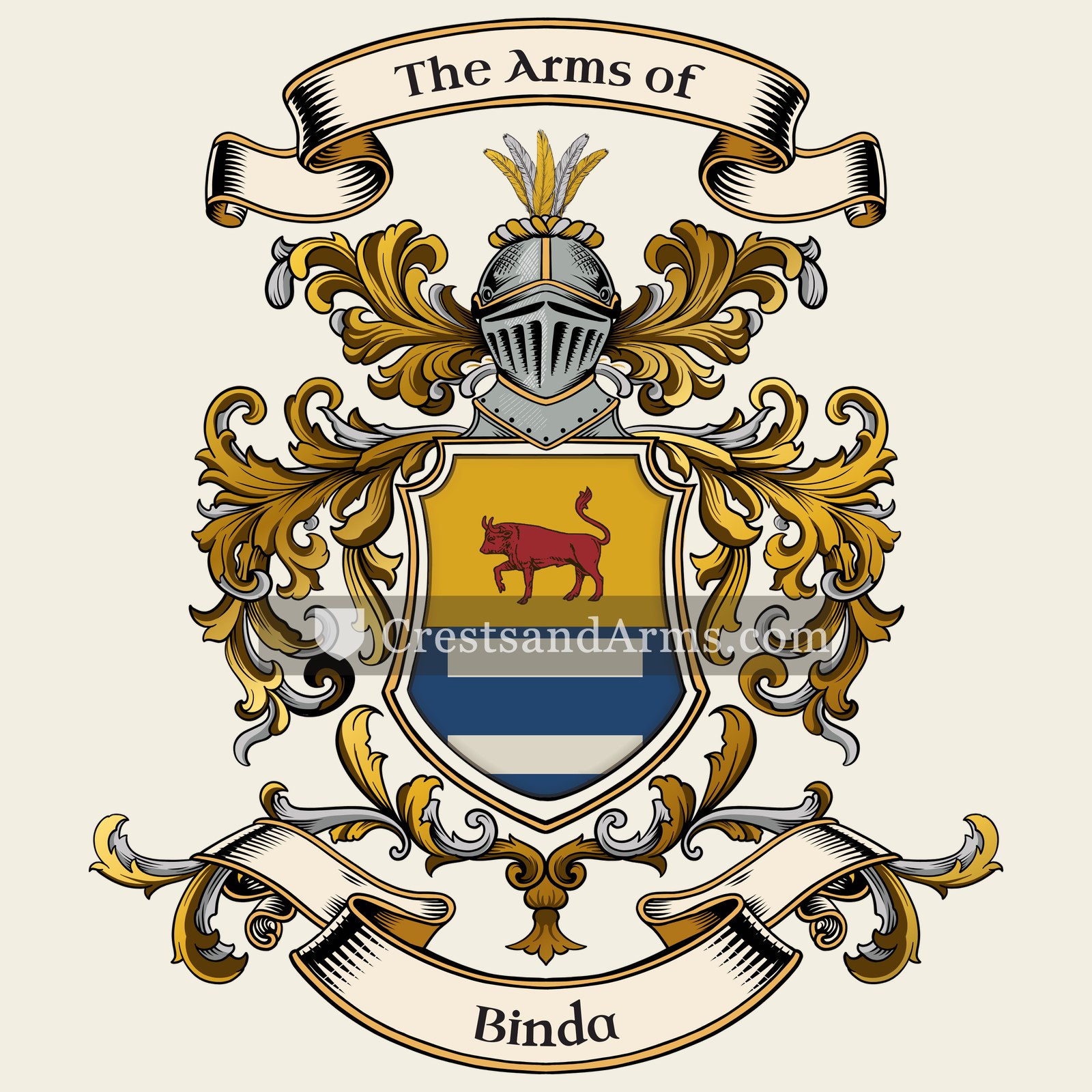
The Binda arms were recorded in Raguse, c. 1817.
This is where the arms were entered in the register. Families often moved to other parts of the country, so the same name can turn up in more than one region.
The body that granted and recorded arms in Italy in this period.
How Arms Worked in Italy
In the Italian states, coats of arms were often used by noble families to show their status and history. These symbols were passed down through the generations to all legitimate male descendants. Younger branches of a family usually kept the original design but sometimes added small changes to distinguish their specific line from the main branch.
Granting authority
Various local rulers and city governments controlled the use of coats of arms across the different Italian states.
How they got arms
Families often assumed their own arms or received them as official grants from local lords, popes, or city councils.
Where arms were recorded
Arms were recorded in local city archives or private family books rather than in one single national register.
The family's standing
Recorded among the armigerous families of Italy.
Origin & History of the Binda Family in Italy
The Binda family name has deep roots in the Mediterranean region, with significant historical documentation placing members of the family in the city of Ragusa, now known as Dubrovnik, by the year 1817. During this period, Ragusa served as a vital crossroads for trade and cultural exchange between the Italian peninsula and the Balkan coast. Families like the Bindas were often involved in the complex maritime and mercantile networks that defined the Adriatic Sea. The name itself is thought to have evolved from regional linguistic traditions, possibly linked to local occupations or geographic markers common in the areas surrounding the Italian lakes and the northern Adriatic. As the family moved through these coastal hubs, they became part of the diverse social fabric that characterized the port cities of the nineteenth century, contributing to the local economy and the evolving identity of the region.
Related Branches & Arms
Root word
Bindus
A Latinized form derived from the Germanic name Bindo meaning bond.
This name
BindaA topographic or occupational surname referring to a person who binds or ties items together.
also spelled
Bondae
Bond
Documented Sources
J. B. Rietstap, Armorial Général, Gouda: G. B. van Goor Zonen, 1884–87
Archive: Državni arhiv u Dubrovniku (State Archives in Dubrovnik), Fond: Dubrovačka Republika (Republic of Ragusa)
Archive: Archivio di Stato di Milano, Fondo: Atti di governo
Mazzini, Ubaldo, Dizionario dei cognomi della Liguria, 1930
De Felice, Emidio, Dizionario dei cognomi italiani, 1978
Digital archive packCoat of arms PNG, gold border print PDF, vector SVG and the certificate of authenticity. Sent to your email in minutes.


 fessThe military belt, and readiness to serve
 bullValour and generosity
 fessThe military belt, and readiness to serve
 bullValour and generosity