Map of Italy showing where the Bob arms are recorded
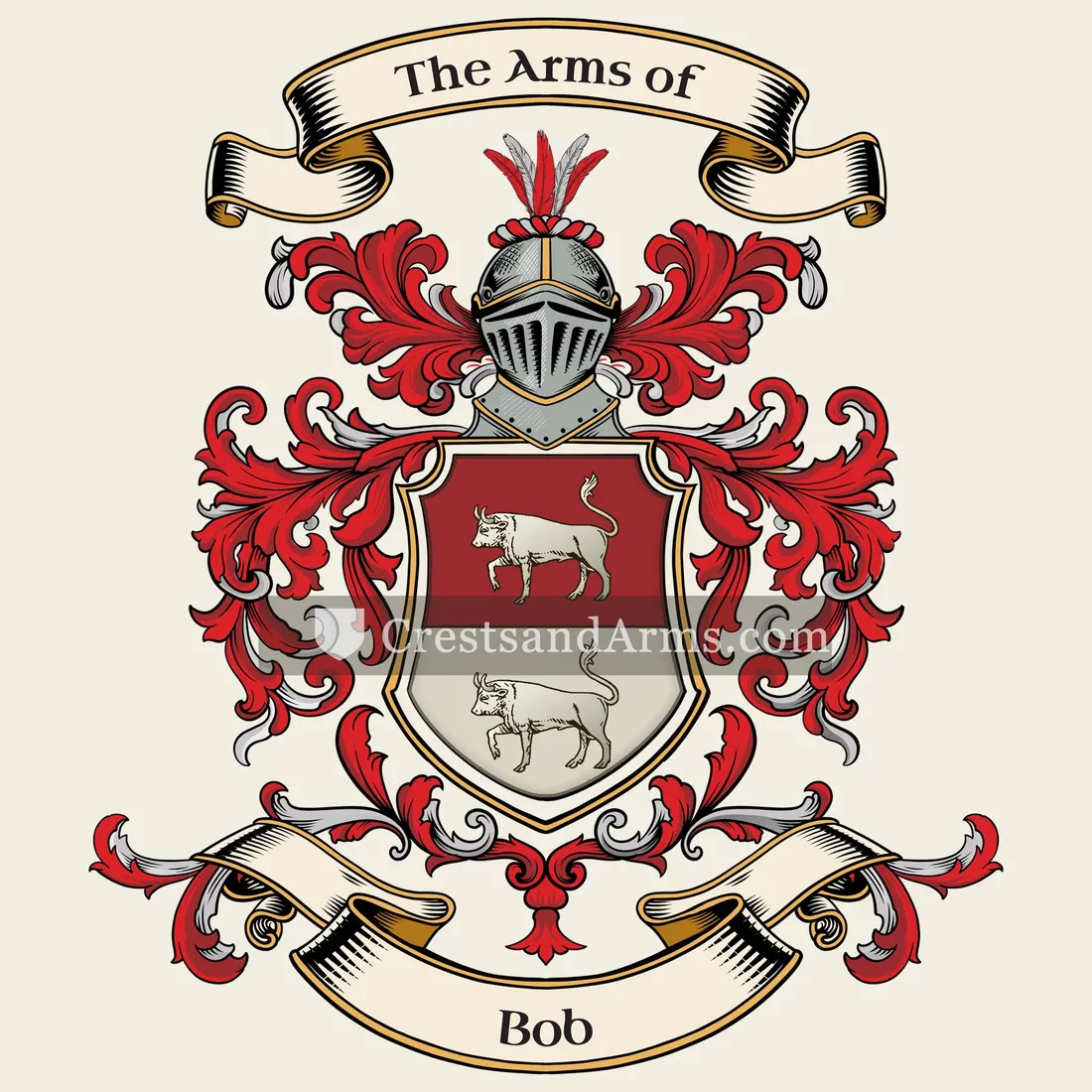
The Bob arms were recorded in Piedmont, c. 1775.
Piedmont was Alpine and river country in north-western Italy, ruled from Turin. Its noble houses were listed formally by the state, and a name on that list carried arms as a matter of record.
This is where the arms were entered in the register. Families often moved to other parts of the country, so the same name can turn up in more than one region.
The body that granted and recorded arms in Italy in this period.
Alvise Giovanni Mocenigo
Sovereign of the period
Alvise Giovanni Mocenigo
1763–1778
Reigning in Italy when the Bob arms are first recorded.
How Arms Worked in Italy
In the Italian states, coats of arms were often used by noble families to show their status and history. These symbols were passed down through the generations to all legitimate male descendants. Younger branches of a family usually kept the original design but sometimes added small changes to distinguish their specific line from the main branch.
Granting authority
Various local rulers and city governments controlled the use of coats of arms across the different Italian states.
How they got arms
Families often assumed their own arms or received them as official grants from local lords, popes, or city councils.
Where arms were recorded
Arms were recorded in local city archives or private family books rather than in one single national register.
The family's standing
Recorded among the armigerous families of Piedmont.
Origin & History of the Bob Family in Italy
The family name Bob traces its roots to the rugged landscape of Piedmont, where records confirm the presence of the family as early as 1775. During this period, the name likely emerged as a shortened form of longer given names or as a descriptive nickname used to identify specific individuals within their local mountain communities. Life in the Piedmont region during the late eighteenth century was defined by agriculture and the seasonal movement of livestock, which meant that families were often deeply tied to the specific valleys they inhabited. As the family established itself in these alpine surroundings, the name became a permanent marker of their identity. Over time, this simple name served as a link between generations, preserving the memory of those early ancestors who worked the land and built their lives in the foothills of the Alps.
Bob Meaning & Related Branches
Root word
Roberto
Derived from Germanic elements meaning bright or famous fame.
This name
BobA diminutive form of the name Robert, signifying one who possesses bright and renowned fame.
also spelled
Bobba
Documented Sources
J. B. Rietstap, Armorial Général, Gouda: G. B. van Goor Zonen, 1884–87
Archivio di Stato di Torino, Stato Civile della Restaurazione, Provincia di Torino
Gastaldi, Giuseppe, Le valli valdesi: cenni storici, 1853
Società Storica Subalpina, Bollettino Storico-Bibliografico Subalpino, 1903
Digital archive packCoat of arms PNG, gold border print PDF, vector SVG and the certificate of authenticity. Sent to your email in minutes.


 bullValour and generosity
 bullValour and generosity