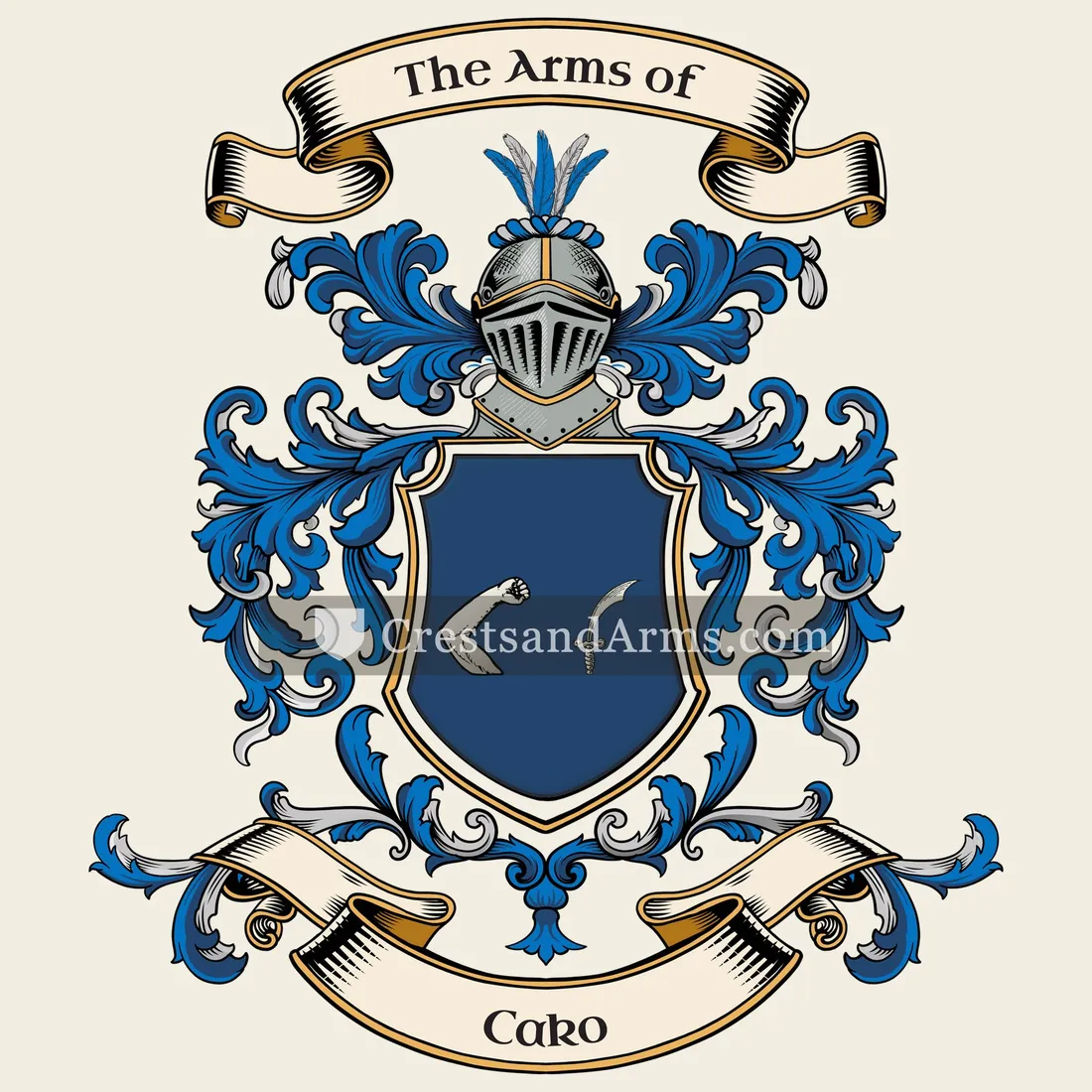
A record of documented arms, meaning and origin, researched for the Cako family of Austria.
Reg. 8364 · Austrian, A–C
Meaning of the Cako family crest colors & symbols
Symbols on this shield
armA person of action, industrious and laborious
swordJustice, and military honour
Colours
Blue (Azure)Means: Loyalty and truth
Silver (Argent)Means: Peace and sincerity
Historical info
Source
J. B. Rietstap, Armorial Général, Gouda: G. B. van Goor Zonen, 1884–87
Blazon (the actual original written record)
“D'azur à un senestrochère, arm. d'arg., brandissant un cimeterre d'arg., garni d'or, le coude posé sur une couronne d'or. C.: les meubles de l'écu. L.: d'or et d'azur.”
AustriaTransylvanie, c. 1678
Digital archive packCoat of arms PNG, gold border print PDF, vector SVG and the certificate of authenticity. Sent to your email in minutes.
Map of Austria showing where the Cako arms are recorded
The Cako arms were recorded in Transylvanie, c. 1678.
Arms such as these were typically recorded in Tyrol.
Tyrol was mountain country in western Austria, where the valleys were held by families who had been there a very long time. Old tenure counted for more than money, and old families carried arms.
This is where the arms were entered in the register. Families often moved to other parts of the country, so the same name can turn up in more than one region.
Region
Tyrol
Town
Transylvanie
First recorded
1678
Granting Authority for the Cako Arms
Imperial and Royal chancery
Sodacan · CC BY-SA 3.0
The body that granted and recorded arms in Austria in this period.
Leopold I, Holy Roman Emperor
Sovereign of the period
Leopold I, Holy Roman Emperor
1658–1705
Reigning in Austria when the Cako arms are first recorded.
How Arms Worked in Austria
Austrian coats of arms were often linked directly to noble titles granted by the Emperor. These symbols belonged to the entire family line rather than just one individual. When a family grew, new branches kept the original design without needing to change it. This system allowed all members of a noble house to share the same identity across many generations.
Granting authority
The Imperial and Royal chancery managed all heraldic matters and controlled the official granting of arms throughout the Austrian lands.
How they got arms
Families typically received their arms through a formal imperial decree that often accompanied the elevation of a person to noble status.
Where arms were recorded
Official records of these grants were kept in the Imperial Register of Nobility which began its formal documentation process in 1453.
The family's standing
Recorded among the armigerous families of Austria.
Origin & History of the Cako Family in Austria
The Cako family name traces its roots back to the mountainous region of Tyrol, where records confirm the presence of family members as early as 1678. During this period, the area was a crossroads of cultural exchange between Germanic and Slavic influences, which likely shaped the development of the surname. Families in this region often lived in small, tight-knit alpine communities where they relied on agriculture and trade to survive. The name itself suggests a connection to the linguistic traditions of the borderlands, reflecting a history of migration and adaptation within the Holy Roman Empire. By maintaining their presence in the Tyrolean valleys, the early generations of the Cako family established deep ties to the local landscape and the social structures of the seventeenth century.
Cako Meaning & Related Branches
Root word
Jakob
Hebrew name meaning may God protect or supplanter.
This name
CakoA diminutive or variant form derived from the name Jacob, common in Central European naming traditions.
also spelled
Chako
Documented Sources
J. B. Rietstap, Armorial Général, Gouda: G. B. van Goor Zonen, 1884–87


 armA person of action, industrious and laborious
 swordJustice, and military honour
 armA person of action, industrious and laborious
 swordJustice, and military honour