Map of Belgium showing where the Debrito arms are recorded
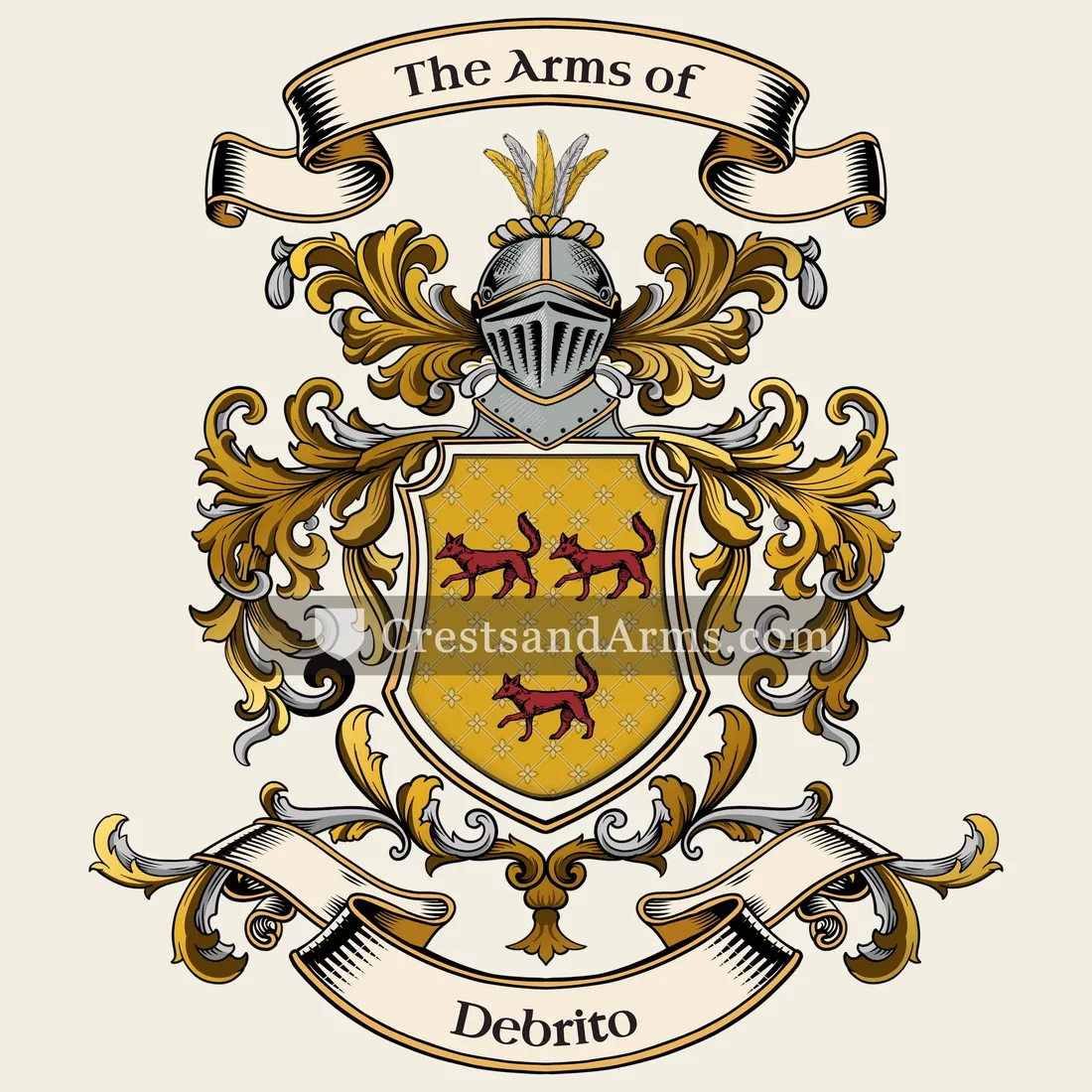
The Debrito arms were recorded in Bruxelles, c. 1853.
This is where the arms were entered in the register. Families often moved to other parts of the country, so the same name can turn up in more than one region.
The body that granted and recorded arms in Belgium in this period.
Leopold I of Belgium
Sovereign of the period
Leopold I of Belgium
1831–1865
Reigning in Belgium when the Debrito arms are first recorded.
How Arms Worked in Belgium
In Belgium, a coat of arms is considered personal property that is passed down through the male line to legitimate descendants. Families often use the same shield design across generations to show their shared heritage. If a branch of the family wants to change the design, they must apply for an official update to their specific version of the arms.
Granting authority
The Conseil héraldique is the official body that regulates and approves all coats of arms in Belgium.
How they got arms
Families obtain their coats of arms through formal royal grants or by confirming their historical right to use existing designs.
Where arms were recorded
All approved coats of arms are officially recorded in the public registers of the Conseil héraldique since 1844.
The family's standing
Recorded among the armigerous families of Belgium.
Origin & History of the Debrito Family in Belgium
The surname De Brito is a locative name that originated in the Iberian Peninsula, specifically linked to the town of Brito in northern Portugal. The name translates to "of Brito," indicating that the earliest families were likely landholders or prominent residents of that specific region. Over many centuries, the family expanded beyond Portuguese borders as members sought new opportunities in trade, military service, and administration across Europe. By the mid-19th century, the presence of the family in Brussels by 1853 suggests they were part of the growing movement of international professionals and merchants who settled in major European hubs during the Industrial Revolution. This migration reflects a history of adaptability, as the family transitioned from their roots in rural Portugal to become active participants in the urban and cosmopolitan life of 19th-century Belgium.
Debrito Meaning & Related Branches
Root word
de Brito
Derived from the Celtic word for bridge or river crossing.
This name
DebritoA locational surname referring to someone who lived near a bridge or river crossing.
also spelled
Deberio
de Beryo
Beriot
Documented Sources
J. B. Rietstap, Armorial Général, Gouda: G. B. van Goor Zonen, 1884–87
Sanches de Baena, Visconde de, Archivo Heráldico-Genealógico do Império do Brasil, 1872
Pires de Lima, J.A., A Freguesia de Brito, 1935
Archives de la Ville de Bruxelles, État civil, Registres des naissances, mariages et décès
Digital archive packCoat of arms PNG, gold border print PDF, vector SVG and the certificate of authenticity. Sent to your email in minutes.


 foxWit and wisdom in defence
 foxWit and wisdom in defence