Map of Belgium showing where the Dehon arms are recorded
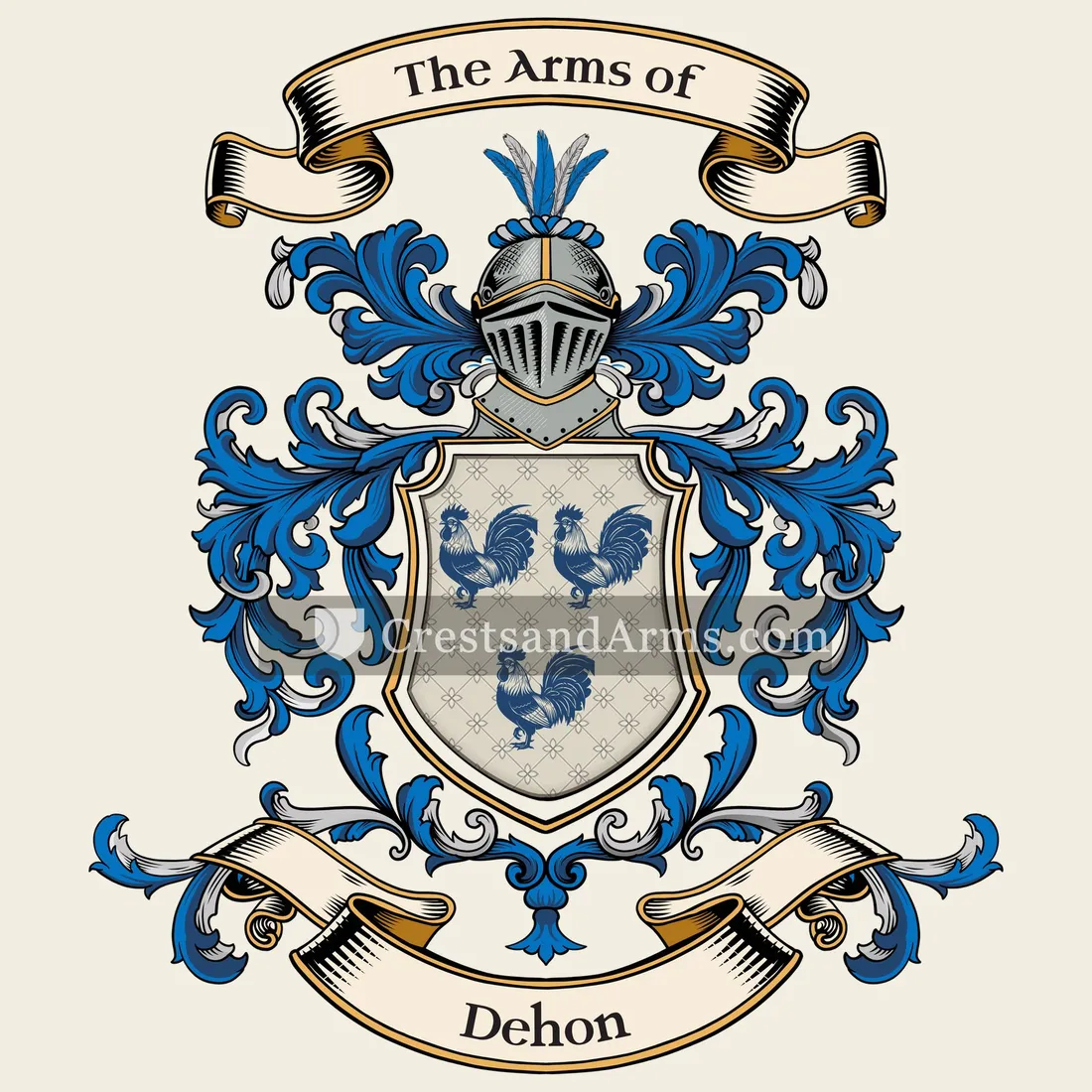
The Dehon arms were recorded in Flandre, c. 1663.
Flandre grew rich on cloth, and its towns were among the busiest in Europe. Merchant families bought land with their profits and took arms to go with it, so trade put as many names in the registers here as land did.
This is where the arms were entered in the register. Families often moved to other parts of the country, so the same name can turn up in more than one region.
The body that granted and recorded arms in Belgium in this period.
Philip IV of Spain
Sovereign of the period
Philip IV of Spain
1621–1665
Reigning in Belgium when the Dehon arms are first recorded.
How Arms Worked in Belgium
In Belgium, a coat of arms is considered personal property that is passed down through the male line to legitimate descendants. Families often use the same shield design across generations to show their shared heritage. If a branch of the family wants to change the design, they must apply for an official update to their specific version of the arms.
Granting authority
The Conseil héraldique is the official body that regulates and approves all coats of arms in Belgium.
How they got arms
Families obtain their coats of arms through formal royal grants or by confirming their historical right to use existing designs.
Where arms were recorded
All approved coats of arms are officially recorded in the public registers of the Conseil héraldique since 1844.
The family's standing
Recorded among the armigerous families of Flandre.
Origin & History of the Dehon Family in Belgium
The family name Dehon traces its roots to the historical region of Flanders, where members of the family were firmly established by the year 1663. The name itself is likely a locative or descriptive surname derived from the French language, which was commonly spoken alongside Dutch in the border regions of the Low Countries. During the seventeenth century, individuals bearing this name were often integrated into the local social fabric of Flemish towns, where they participated in the agricultural and merchant economies that defined the area. As the region experienced shifting political borders and frequent conflicts between European powers, the Dehon family remained rooted in the local community. Their presence in official records from this period suggests they were settled inhabitants who contributed to the development of the local parish and civic life. By maintaining a consistent presence in Flanders, the family became part of the long history of families who helped shape the cultural identity of this crossroads between France and the Netherlands.
Dehon Meaning & Related Branches
Root word
Hond
A Germanic term referring to a dog or hound.
This name
DehonA topographic name for someone living near a place called the dog or a nickname for a hunter.
also spelled
Hoen
Hoene
de Hon
Documented Sources
J. B. Rietstap, Armorial Général, Gouda: G. B. van Goor Zonen, 1884–87
Archives de l'État à Mons, État civil et registres paroissiaux
Rijksarchief te Gent, Parochieregisters van het bisdom Gent
Dauzat, Albert, Dictionnaire étymologique des noms de famille et prénoms de France, 1951
Debrabandere, Frans, Woordenboek van de familienamen in België en Noord-Frankrijk, 1993
Digital archive packCoat of arms PNG, gold border print PDF, vector SVG and the certificate of authenticity. Sent to your email in minutes.


 cockCourage, vigilance and readiness for battle
 cockCourage, vigilance and readiness for battle