A record of documented arms, meaning and origin, researched for the Ek family lines. Documented in 3 countries.
Reg. 3839 · German, D–F
Coat of Arms & Family Crest Details
Symbols on this shield
armA person of action, industrious and laborious
fishA true and generous mind, and Christian faith
Colours
Red (Gules)Means: Military strength
Silver (Argent)Means: Peace and sincerity
Historical info
Source
J. B. Rietstap, Armorial Général, Gouda: G. B. van Goor Zonen, 1884–87
Blazon (the actual original written record)
“De gu. à un dextrochère, arm. d'arg., mouv. du flanc, la main de carn. empoignant une pique d'arg., posée en pal. Cq. cour. C.: le bras, posé en pal, tenant la pique en fasce, la pointe à sen.”
GermanyNuremberg, c. 1765
Digital archive packCoat of arms PNG, gold border print PDF, vector SVG and the certificate of authenticity. Sent to your email in minutes.
Map of Germany showing where the Ek arms are recorded
The Ek arms were recorded in Nuremberg, c. 1765.
This is where the arms were entered in the register. Families often moved to other parts of the country, so the same name can turn up in more than one region.
The body that granted and recorded arms in Germany in this period.
Francis I, Holy Roman Emperor
Sovereign of the period
Francis I, Holy Roman Emperor
1745–1765
Reigning in Germany when the Ek arms are first recorded.
How Arms Worked in Germany
In the Holy Roman Empire, coats of arms were often granted to individuals by the Emperor or his representatives. These arms were then passed down through the generations to all legitimate descendants of the original holder. Younger branches of a family usually kept the same shield design without needing to change it, as the arms belonged to the entire lineage.
Granting authority
The Holy Roman Emperor held the sole power to grant new coats of arms throughout his vast imperial territories.
How they got arms
Families typically obtained their coats of arms through a formal imperial grant or by proving their noble status to the authorities.
Where arms were recorded
These grants were officially recorded in the Imperial Chancery registers, which began keeping formal records of such honors during the Middle Ages.
The family's standing
Recorded among the armigerous families of Germany.
Origin & History of the Ek Family in Germany
The surname Ek is deeply rooted in the linguistic traditions of Germanic regions, where it often functioned as a topographical name derived from the Middle High German word for an oak tree. Families bearing this name frequently lived near prominent oak groves or landmarks, which served as natural identifiers in a time before formal street addresses. By the mid-eighteenth century, the name was firmly established in the bustling trade hub of Nuremberg. Records from 1765 highlight the presence of the Ek family within this city, which was then a major center for craftsmanship and international commerce. During this era, families in Nuremberg were often integrated into the city’s guild systems, where they contributed to the specialized metalwork and clockmaking industries that made the region famous. This history reflects a transition from rural origins tied to the landscape toward the urban professional life that defined the German middle class during the Enlightenment.
Coat of Arms & Family Crest Details
Symbols on this shield
triangleThe Trinity, and stability
Colours
Silver (Argent)Means: Peace and sincerity
Red (Gules)Means: Military strength
Historical info
Source
J. B. Rietstap, Armorial Général, Gouda: G. B. van Goor Zonen, 1884–87
Blazon (the actual original written record)
“D'arg. à six triangles de gu., 3, 2 et 1. C.: un triangle de gu., sommé d'une étoile d'or; entre deux prob. d'arg.”
GroningenZutphen · Groningen, c. 1815
Digital archive packCoat of arms PNG, gold border print PDF, vector SVG and the certificate of authenticity. Sent to your email in minutes.
Map of Netherlands showing where the Ek arms are recorded
The Ek arms were recorded in Groningen, c. 1815.
Groningen was northern Dutch country of reclaimed land and free farmers. Families who held their own ground counted as gentry there, and gentry carried arms.
This is where the arms were entered in the register. Families often moved to other parts of the country, so the same name can turn up in more than one region.
Region
Groningen
Town
Zutphen
First recorded
1815
Granting Authority for the Ek Arms
Hoge Raad van Adel
Photograph made by me · CC BY-SA 3.0
The body that granted and recorded arms in Netherlands in this period.
William I of the Netherlands
Sovereign of the period
William I of the Netherlands
1815–1840
Reigning in Germany when the Ek arms are first recorded.
How Arms Worked in Netherlands
In the Netherlands, coats of arms were often used by noble families and those who held specific public offices. These arms were passed down through the generations to legitimate descendants. Younger branches of a family usually kept the original design without needing to add special marks. This system ensured that the family identity remained clear and consistent over many years.
Granting authority
The Hoge Raad van Adel is the official body that regulates and manages noble titles and coats of arms in the Netherlands.
How they got arms
Families typically obtained their coats of arms through official royal grants or by proving their long-standing historical use of the symbols.
Where arms were recorded
Coats of arms are officially recorded in the registers held by the Hoge Raad van Adel, which began its work in 1814.
The family's standing
Recorded among the armigerous families of Groningen.
Origin & History of the Ek Family in Netherlands
The surname Ek is deeply connected to the landscape and history of the northern Netherlands, particularly within the province of Groningen. In the Dutch language, the word ek refers to an oak tree, suggesting that the name likely originated as a topographic identifier for families living near prominent wooded areas or specific landmarks. By the early 19th century, records confirm that members of the Ek family were well-established residents of Groningen, a region known for its strong agricultural traditions and distinct local culture. During this period, the family lived through the transition of the Netherlands into a unified kingdom following the Napoleonic era. As the Dutch government began to standardize civil registration in 1811, families like the Ek line became more formally documented in official records. This transition helped solidify the family name as a permanent part of the local community, reflecting the broader patterns of migration and social organization that shaped the northern provinces during the 1800s.
Coat of Arms & Family Crest Details
Symbols on this shield
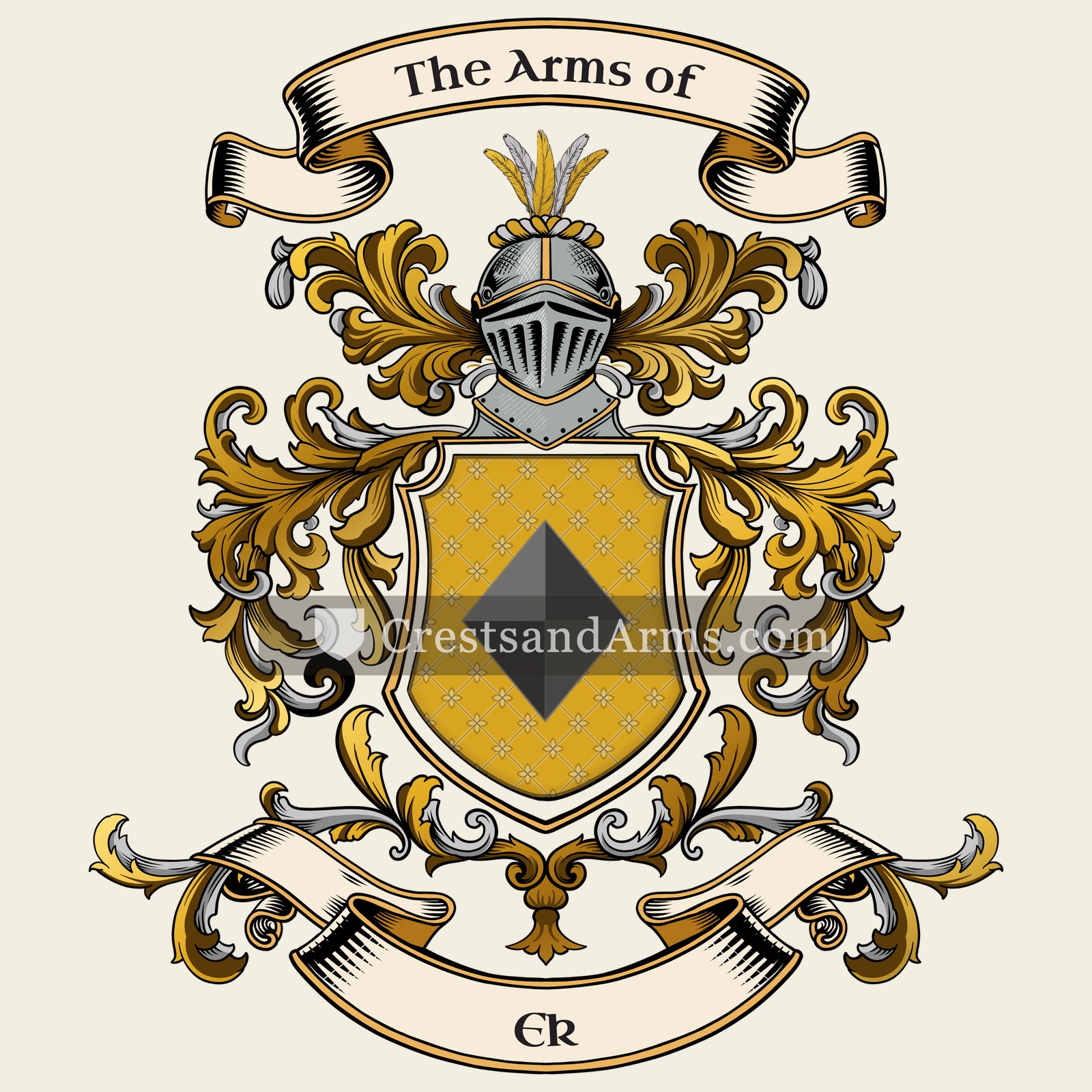
lozengeHonour and nobility, and the arms of a woman
Colours
Gold (Or)Means: Generosity
Historical info
Source
J. B. Rietstap, Armorial Général, Gouda: G. B. van Goor Zonen, 1884–87
Blazon (the actual original written record)
“D'or à une grande losange évasée de gu., touchant les bords de l'écu. C.: la losange, entre deux cornes de buffle d'or.”
Switzerlandc. 1745
Digital archive packCoat of arms PNG, gold border print PDF, vector SVG and the certificate of authenticity. Sent to your email in minutes.
Map of Switzerland showing where the Ek arms are recorded
The Ek arms were recorded in Switzerland, c. 1745.
Arms such as these were typically recorded in Bern.
Bern was the largest of the Swiss cantons and ran itself, with its own council and its own courts. Its governing families held office for generations, and office of that kind carried a shield with it.
This is where the arms were entered in the register. Families often moved to other parts of the country, so the same name can turn up in more than one region.
The body that granted and recorded arms in Switzerland in this period.
How Arms Worked in Switzerland
In Switzerland, coats of arms were not restricted to the nobility and were often adopted by common citizens and families. These symbols were passed down through generations to show family identity. When branches of a family grew, they often changed small details of the design to distinguish their own line from the original group.
Granting authority
Cantonal and civic authorities managed the use of coats of arms within their specific regions and local jurisdictions.
How they got arms
Families typically assumed their own coats of arms based on local custom rather than receiving them from a central monarch.
Where arms were recorded
Arms were recorded in various cantonal and civic registers starting from the fourteenth century throughout the Swiss region.
The family's standing
Recorded among the armigerous families of Switzerland.
Origin & History of the Ek Family in Switzerland
The family name Ek has deep roots in the Swiss city of Bern, where records confirm members of the family were established by 1745. During this period, Bern was a powerful city-state governed by a strict social hierarchy, and families like the Ek line often integrated into the local urban economy through trade or skilled craftsmanship. The name itself is thought to be of Germanic origin, likely derived from the word for an oak tree, which was a common way to describe someone who lived near a prominent landmark or a specific forest. As the family settled into the social fabric of the Swiss Confederation, they became part of the growing population of citizens who helped shape the administrative and commercial life of the region. By the mid-eighteenth century, the Ek family was well-positioned within the local community, contributing to the steady development of Bern as a center of political and economic influence.
Ek Meaning & Related Branches
Root word
Ecke
A corner, edge, or a sharp angle of land.
This name
EkA topographic name for someone who lived near a corner or a sharp bend in a road.
also spelled
Ek
Documented Sources
J. B. Rietstap, Armorial Général, Gouda: G. B. van Goor Zonen, 1884–87
Bahlow, Hans, Deutsches Namenlexikon: Familien- und Vornamen nach Ursprung und Sinn erklärt, 1967
Stadtarchiv Nürnberg, Bürgerbücher der Reichsstadt Nürnberg, 1765
Gottschald, Max, Deutsche Namenkunde: Unsere Familiennamen, 1954
Digital archive packCoat of arms PNG, gold border print PDF, vector SVG and the certificate of authenticity. Sent to your email in minutes.


 armA person of action, industrious and laborious
 fishA true and generous mind, and Christian faith
 armA person of action, industrious and laborious
 fishA true and generous mind, and Christian faith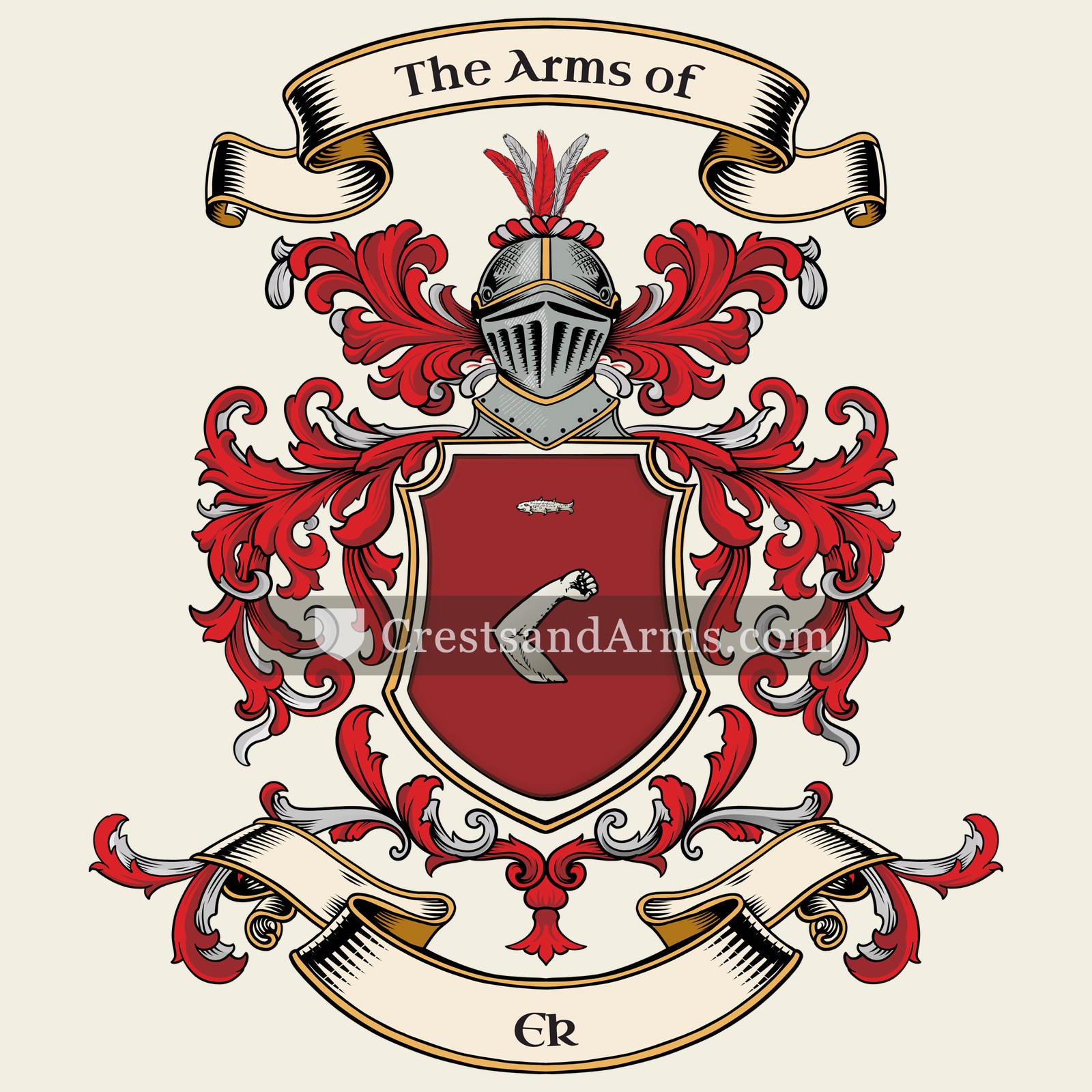


 triangleThe Trinity, and stability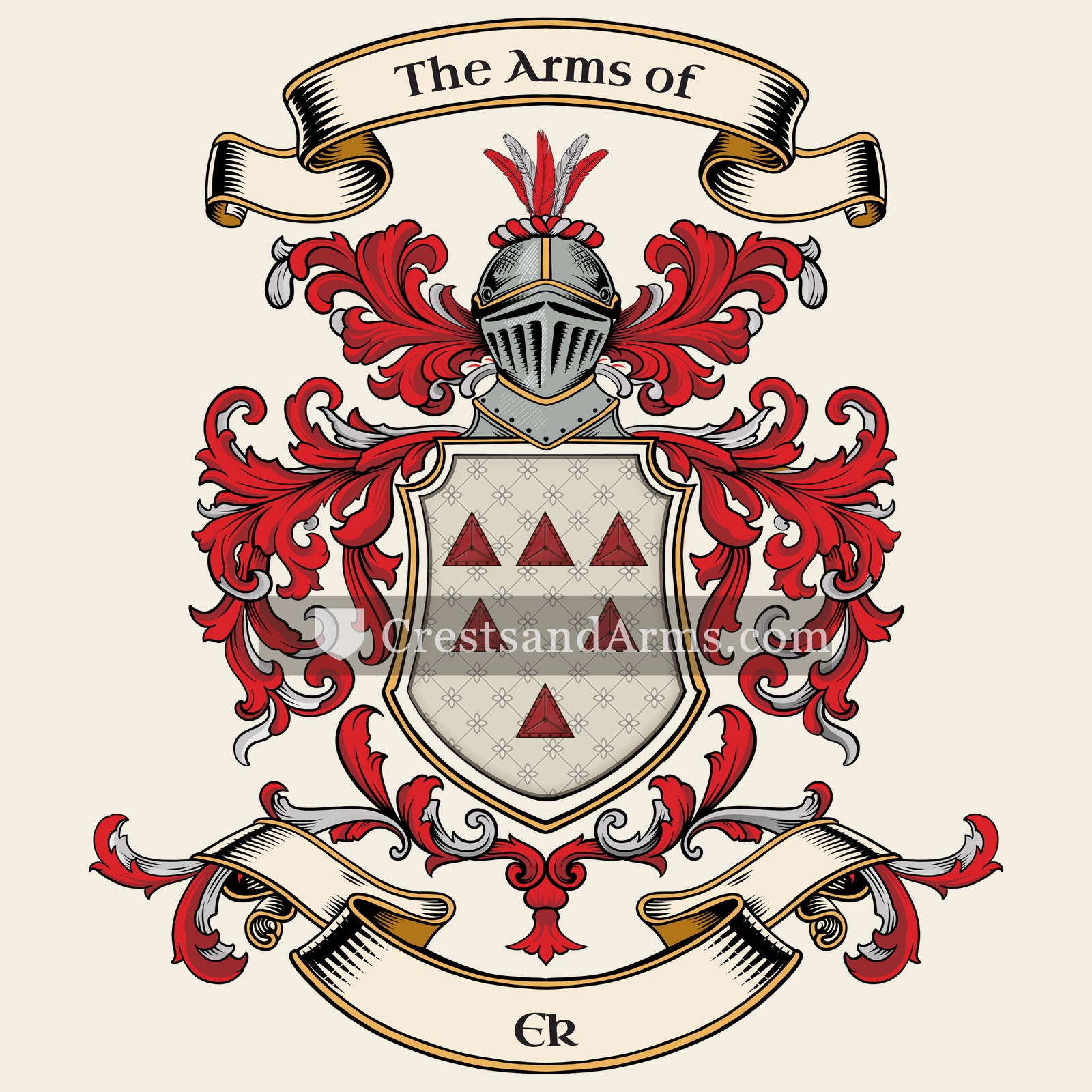


 lozengeHonour and nobility, and the arms of a woman