Map of Belgium showing where the Frehner arms are recorded
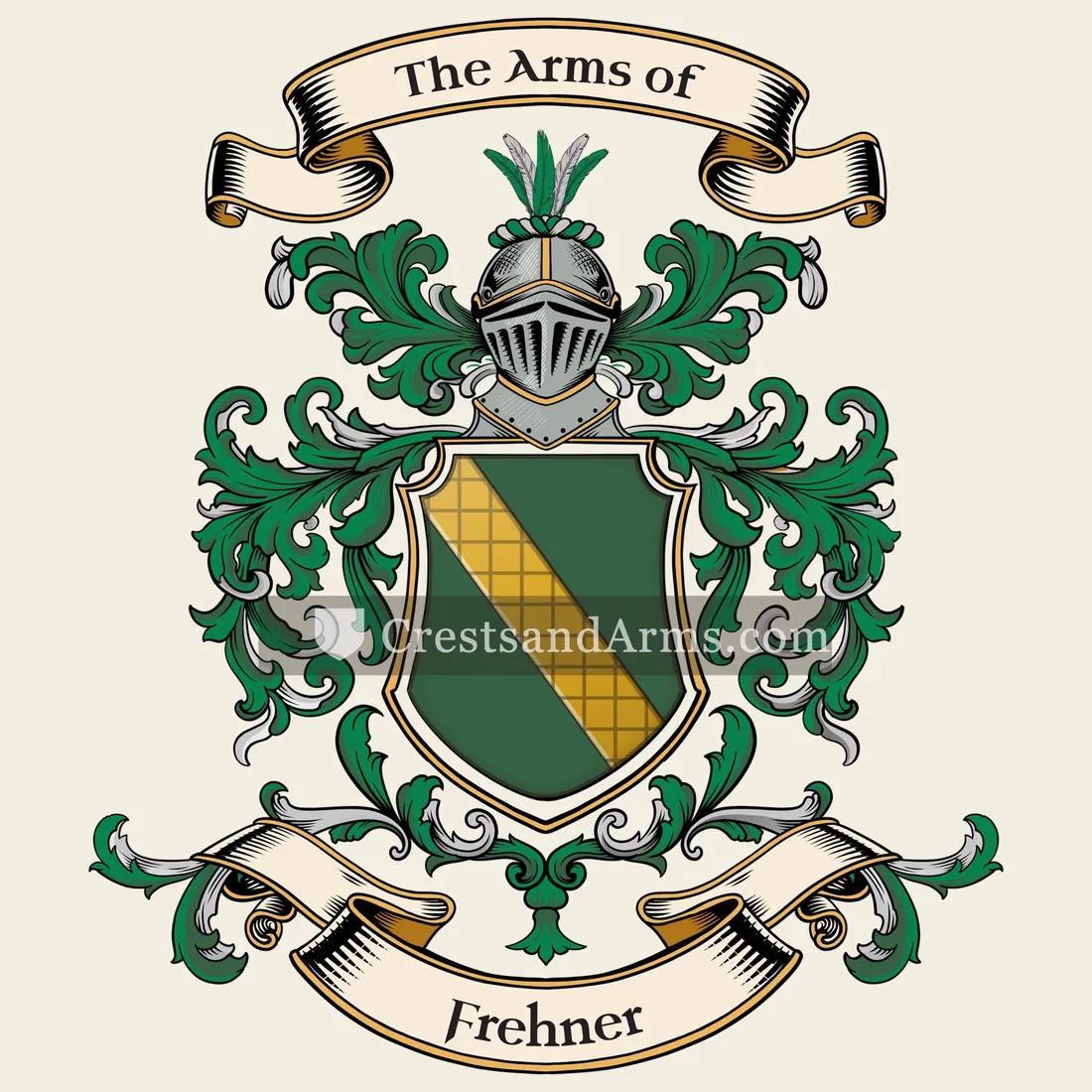
The Frehner arms were recorded in Bruxelles, c. 1737.
This is where the arms were entered in the register. Families often moved to other parts of the country, so the same name can turn up in more than one region.
The body that granted and recorded arms in Belgium in this period.
Charles VI, Holy Roman Emperor
Sovereign of the period
Charles VI, Holy Roman Emperor
1711–1740
Reigning in Belgium when the Frehner arms are first recorded.
How Arms Worked in Belgium
In Belgium, a coat of arms is considered personal property that is passed down through the male line to legitimate descendants. Families often use the same shield design across generations to show their shared heritage. If a branch of the family wants to change the design, they must apply for an official update to their specific version of the arms.
Granting authority
The Conseil héraldique is the official body that regulates and approves all coats of arms in Belgium.
How they got arms
Families obtain their coats of arms through formal royal grants or by confirming their historical right to use existing designs.
Where arms were recorded
All approved coats of arms are officially recorded in the public registers of the Conseil héraldique since 1844.
The family's standing
Recorded among the armigerous families of Belgium.
Origin & History of the Frehner Family in Belgium
The family name Frehner originates from the German-speaking regions of Europe, where it functioned as a descriptive occupational or status-based surname. Etymologically, the name is linked to the Middle High German word "vrī," which means free, suggesting that early ancestors were likely individuals who held the status of free peasants or citizens rather than serfs bound to a lord. By the early 18th century, members of the family had migrated into the Low Countries, as evidenced by records confirming their presence in Brussels by 1737. This relocation was common during the period, as skilled workers and tradespeople often traveled across borders to find new economic opportunities in growing urban centers. As the family settled in these diverse environments, they maintained their identity while adapting to the social and linguistic shifts of the region.
Frehner Meaning & Related Branches
Root word
Fron
Old High German term referring to a lord or master.
This name
FrehnerA status-based surname denoting someone who served a lord or worked on manorial land.
also spelled
Frenyer
Frenyay
Documented Sources
J. B. Rietstap, Armorial Général, Gouda: G. B. van Goor Zonen, 1884–87
Bahlow, Hans. Deutsches Namenlexikon: Familien- und Vornamen nach Ursprung und Sinn erklärt. 1967
State Archives in Belgium (Archives de l'État en Belgique). Registres paroissiaux de Bruxelles, 1737
Digital archive packCoat of arms PNG, gold border print PDF, vector SVG and the certificate of authenticity. Sent to your email in minutes.


 bendDefence, and the scarf of a commander
 bendDefence, and the scarf of a commander