Map of Austria showing where the Gilg arms are recorded
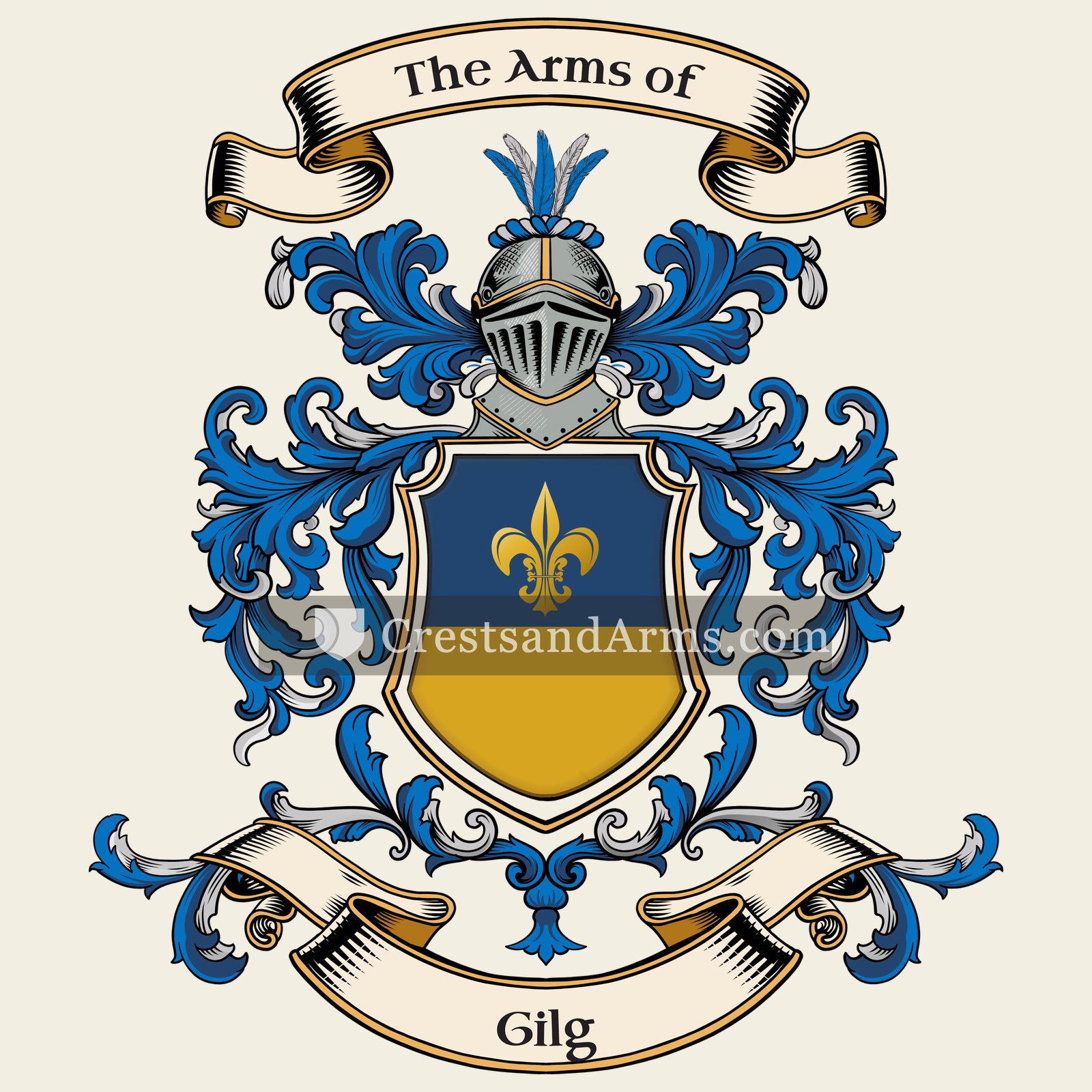
The Gilg arms were recorded in Gratz Aut, c. 1772.
This is where the arms were entered in the register. Families often moved to other parts of the country, so the same name can turn up in more than one region.
Region
Gratz
Town
Gratz Aut
First recorded
1772
Granting Authority for the Gilg Arms
Imperial and Royal chancery
Sodacan · CC BY-SA 3.0
The body that granted and recorded arms in Austria in this period.
Joseph II, Holy Roman Emperor
Sovereign of the period
Joseph II, Holy Roman Emperor
1765–1790
Reigning in Austria when the Gilg arms are first recorded.
How Arms Worked in Austria
Austrian coats of arms were often linked directly to noble titles granted by the Emperor. These symbols belonged to the entire family line rather than just one individual. When a family grew, new branches kept the original design without needing to change it. This system allowed all members of a noble house to share the same identity across many generations.
Granting authority
The Imperial and Royal chancery managed all heraldic matters and controlled the official granting of arms throughout the Austrian lands.
How they got arms
Families typically received their arms through a formal imperial decree that often accompanied the elevation of a person to noble status.
Where arms were recorded
Official records of these grants were kept in the Imperial Register of Nobility which began its formal documentation process in 1453.
The family's standing
Recorded among the armigerous families of Austria.
Origin & History of the Gilg Family in Austria
The surname Gilg is a shortened form of the Germanic name Aegidius, which was popular throughout Central Europe during the Middle Ages. Families carrying this name often lived in regions where German was the primary language, such as the Austrian lands. By the year 1772, historical records confirm that members of the Gilg family were established residents of Graz. At that time, Graz served as a vital cultural and administrative hub within the Habsburg Monarchy. Families like the Gilgs were typically integrated into the local economy as tradespeople or craftsmen, contributing to the steady growth of the city during the late eighteenth century. Because the name evolved from a common given name, it reflects a long history of family identity rooted in the social and professional life of the Alpine region.
Gilg Meaning & Related Branches
Root word
Gisil
A Germanic term referring to a hostage or a noble pledge.
This name
GilgA diminutive form of names beginning with the element meaning pledge or hostage.
also spelled
Gilge
Gilgh
Gilgg
Related arms
Angererrecorded with Gilg, same area
Nabholzrecorded with Gilg, same area
Reichelrecorded with Gilg, same area
Wolff de Schörgernrecorded with Gilg, same area
Documented Sources
J. B. Rietstap, Armorial Général, Gouda: G. B. van Goor Zonen, 1884–87


 fleur de lisPurity, light, and the sixth son
 fleur de lisPurity, light, and the sixth son