Map of Switzerland showing where the Heinzman arms are recorded
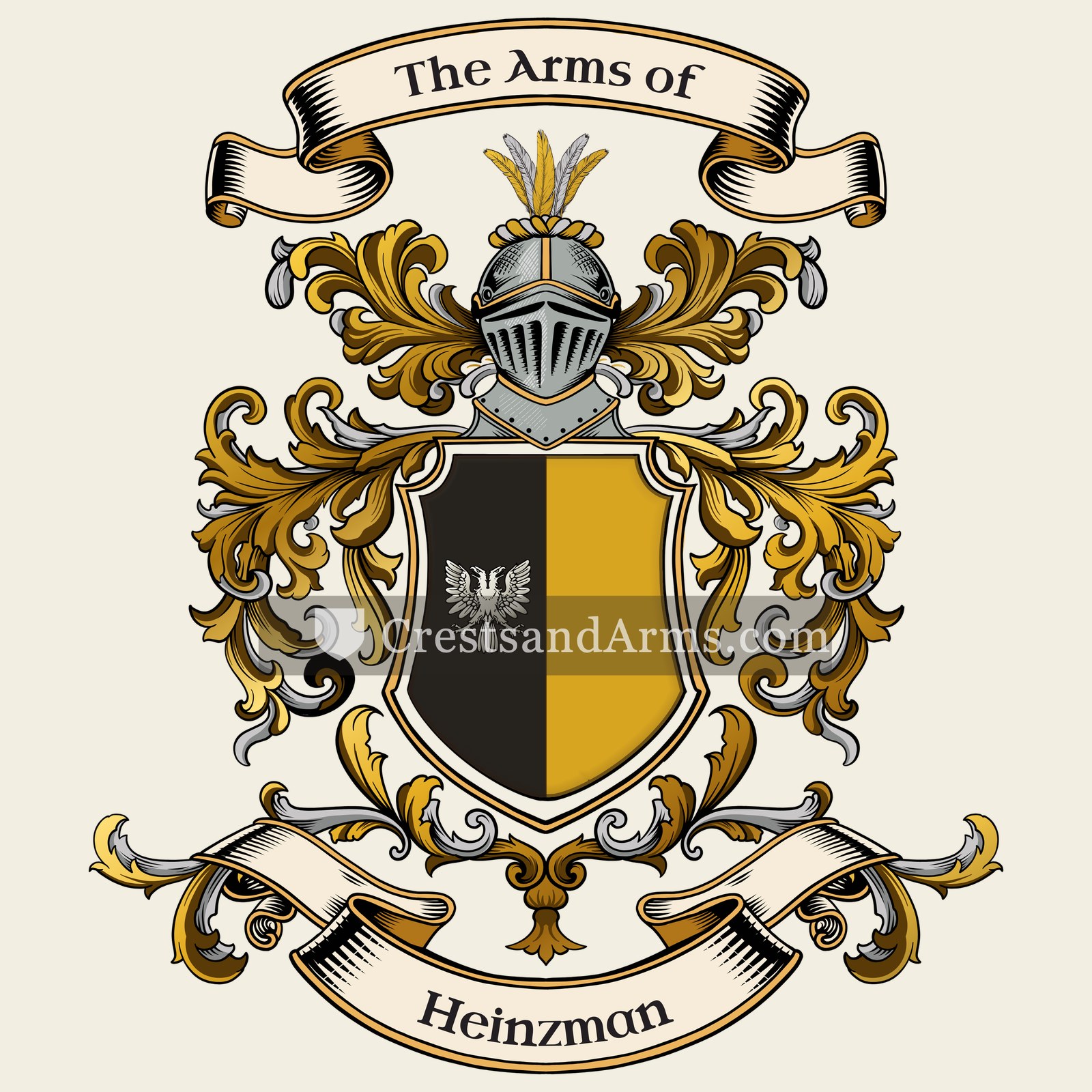
The Heinzman arms were recorded in Valais, c. 1745.
This is where the arms were entered in the register. Families often moved to other parts of the country, so the same name can turn up in more than one region.
The body that granted and recorded arms in Switzerland in this period.
How Arms Worked in Switzerland
In Switzerland, coats of arms were not restricted to the nobility and were often adopted by common citizens and families. These symbols were passed down through generations to show family identity. When branches of a family grew, they often changed small details of the design to distinguish their own line from the original group.
Granting authority
Cantonal and civic authorities managed the use of coats of arms within their specific regions and local jurisdictions.
How they got arms
Families typically assumed their own coats of arms based on local custom rather than receiving them from a central monarch.
Where arms were recorded
Arms were recorded in various cantonal and civic registers starting from the fourteenth century throughout the Swiss region.
The family's standing
Recorded among the armigerous families of Switzerland.
Origin & History of the Heinzman Family in Switzerland
The surname Heinzman is a variation of the German name Heinz, which originated as a short form of the name Heinrich. Historically, families carrying this name were often associated with the German-speaking regions of Europe, where it served as a common way to identify individuals. By the year 1745, records confirm that members of the Heinzman family were established in the Valais region of Switzerland. This area is known for its unique Alpine geography and its long history of distinct mountain communities. Families living in Valais during this period were often deeply connected to the land through farming or trade within the high mountain valleys. As the family grew, they became part of the local social fabric, contributing to the development of their specific village communities over several generations.
Related Branches & Arms
Root word
Heinrich
Derived from Germanic elements meaning home ruler or ruler of the enclosure.
This name
HeinzmanA diminutive form indicating a descendant or follower of a man named Henry.
also spelled
Heinzman
Heynzmann
Heinzmanne
Hinsman
Documented Sources
J. B. Rietstap, Armorial Général, Gouda: G. B. van Goor Zonen, 1884–87
Archives de l'État du Valais, Registres paroissiaux de l'ancien diocèse de Sion
Archives de l'État du Valais, Fonds de la famille Heinzman
Guex, André, Histoire du Valais, 1973
Schnyder, Werner, Die Bevölkerung des Wallis im Mittelalter und in der frühen Neuzeit, 1968
Digital archive packCoat of arms PNG, gold border print PDF, vector SVG and the certificate of authenticity. Sent to your email in minutes.


 eagleNobility, strength and a keen mind
 eagleNobility, strength and a keen mind