Map of Switzerland showing where the Luper arms are recorded
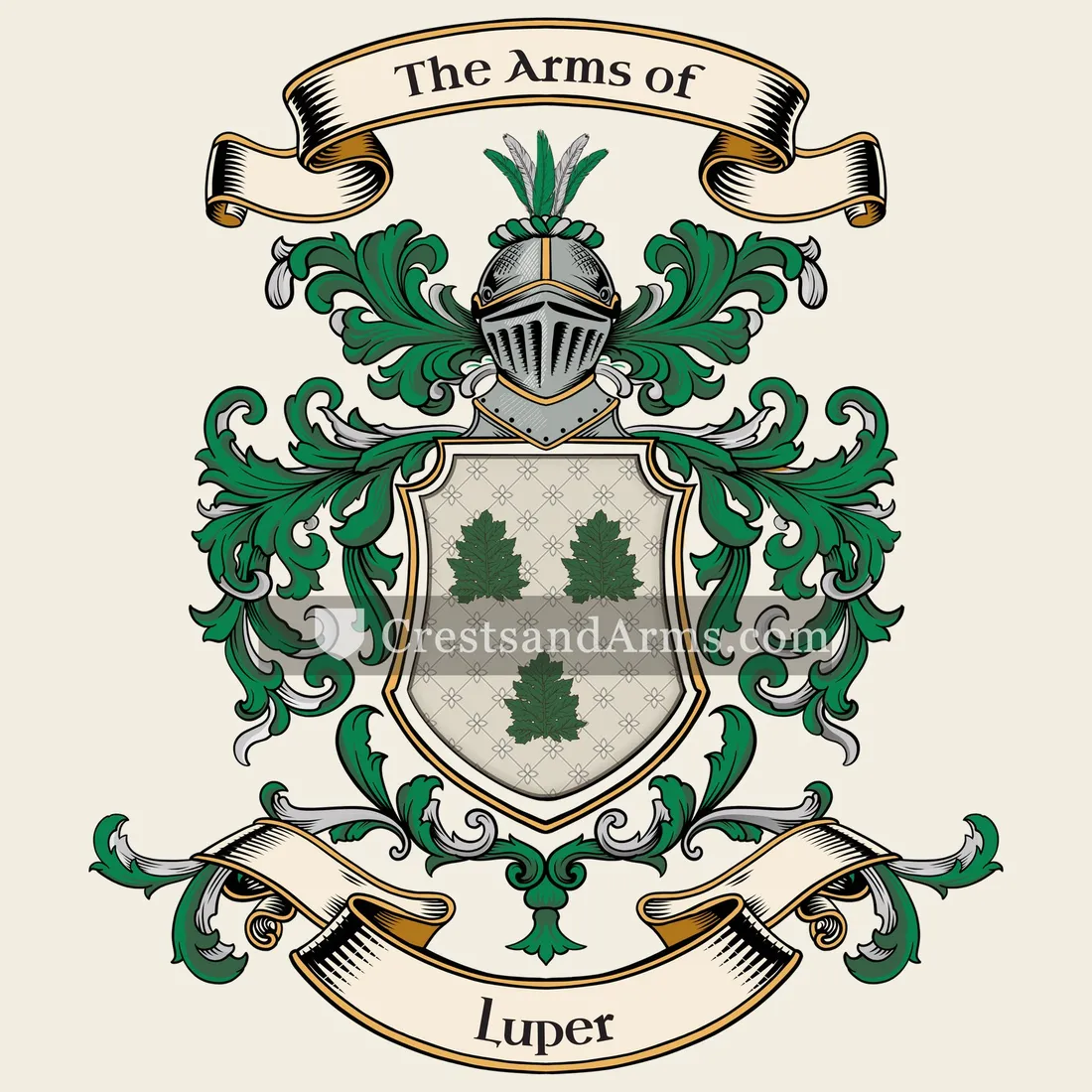
The Luper arms were recorded in Fribourg, c. 1745.
This is where the arms were entered in the register. Families often moved to other parts of the country, so the same name can turn up in more than one region.
The body that granted and recorded arms in Switzerland in this period.
How Arms Worked in Switzerland
In Switzerland, coats of arms were not restricted to the nobility and were often adopted by common citizens and families. These symbols were passed down through generations to show family identity. When branches of a family grew, they often changed small details of the design to distinguish their own line from the original group.
Granting authority
Cantonal and civic authorities managed the use of coats of arms within their specific regions and local jurisdictions.
How they got arms
Families typically assumed their own coats of arms based on local custom rather than receiving them from a central monarch.
Where arms were recorded
Arms were recorded in various cantonal and civic registers starting from the fourteenth century throughout the Swiss region.
The family's standing
Recorded among the armigerous families of Switzerland.
Origin & History of the Luper Family in Switzerland
The family name Luper has deep roots in the Swiss canton of Fribourg, where records confirm their presence as early as 1745. During the eighteenth century, families in this region were often deeply connected to the local agricultural economy and the social structures of the Old Swiss Confederacy. The name likely evolved from regional dialects or occupational descriptions common to the Alpine foothills. As residents of Fribourg, the Luper family would have lived through a period of significant political transition as the area navigated the influence of neighboring powers and internal administrative changes. By maintaining their presence in the region for generations, the family became part of the long-standing cultural fabric of the Swiss plateau, contributing to the local community through trade, craftsmanship, or farming.
Luper Meaning & Related Branches
Root word
Lupus
Latin word meaning wolf.
This name
LuperA topographic or occupational name derived from the Latin word for wolf.
also spelled
Lauper
Documented Sources
J. B. Rietstap, Armorial Général, Gouda: G. B. van Goor Zonen, 1884–87
State Archives of Fribourg (Staatsarchiv des Kantons Freiburg), Registres paroissiaux de Fribourg
Müller, Wolfgang, Die Geschichte des Kantons Freiburg, 1972
Swiss Federal Statistical Office, Répertoire des noms de famille suisses, 2005
Digital archive packCoat of arms PNG, gold border print PDF, vector SVG and the certificate of authenticity. Sent to your email in minutes.


 leafHappiness and abundance
 leafHappiness and abundance