Map of Belgium showing where the Mattus arms are recorded
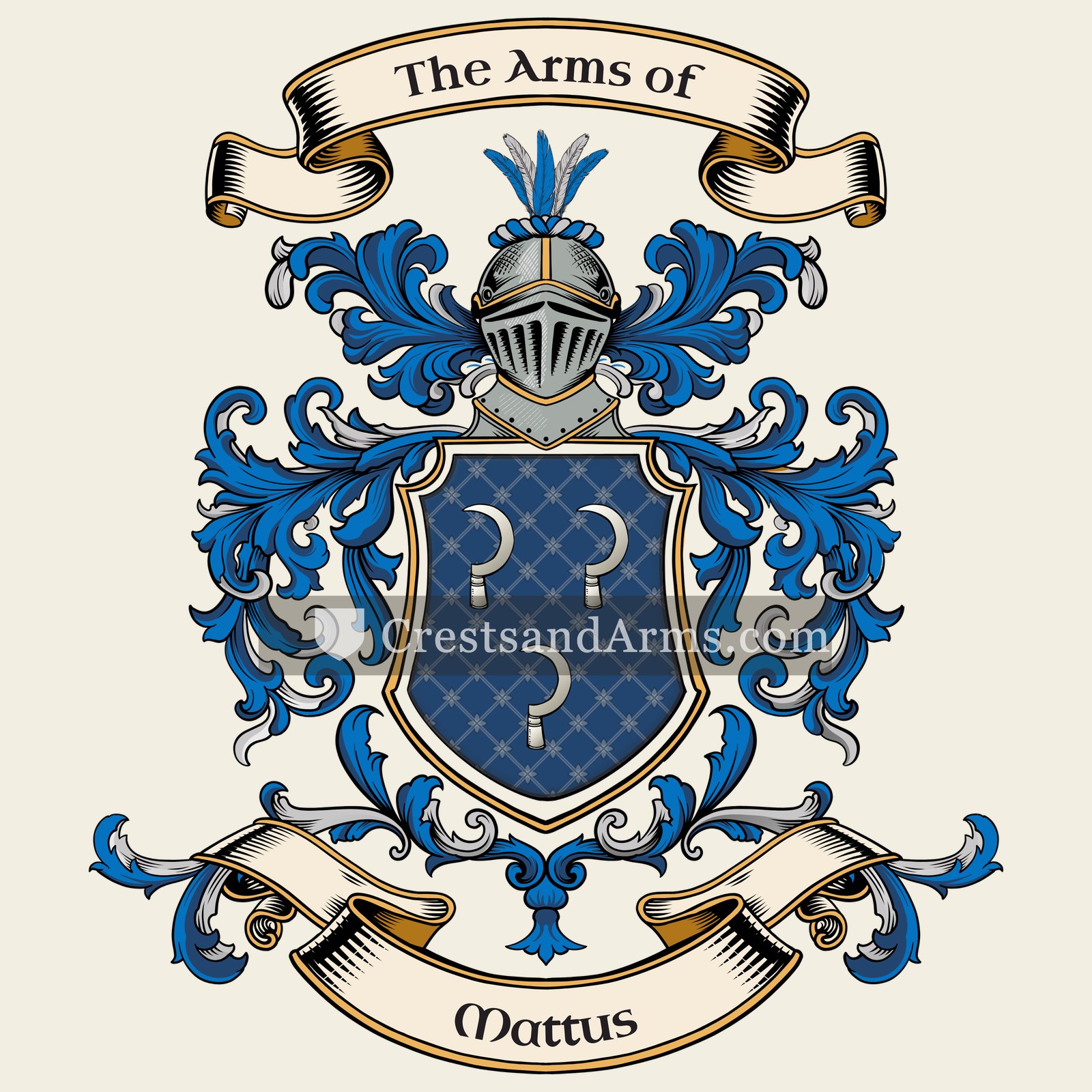
The Mattus arms were recorded in Flandre, c. 1663.
Flandre grew rich on cloth, and its towns were among the busiest in Europe. Merchant families bought land with their profits and took arms to go with it, so trade put as many names in the registers here as land did.
This is where the arms were entered in the register. Families often moved to other parts of the country, so the same name can turn up in more than one region.
The body that granted and recorded arms in Belgium in this period.
Philip IV of Spain
Sovereign of the period
Philip IV of Spain
1621–1665
Reigning in Belgium when the Mattus arms are first recorded.
How Arms Worked in Belgium
In Belgium, a coat of arms is considered personal property that is passed down through the male line to legitimate descendants. Families often use the same shield design across generations to show their shared heritage. If a branch of the family wants to change the design, they must apply for an official update to their specific version of the arms.
Granting authority
The Conseil héraldique is the official body that regulates and approves all coats of arms in Belgium.
How they got arms
Families obtain their coats of arms through formal royal grants or by confirming their historical right to use existing designs.
Where arms were recorded
All approved coats of arms are officially recorded in the public registers of the Conseil héraldique since 1844.
The family's standing
Recorded among the armigerous families of Flandre.
Origin & History of the Mattus Family in Belgium
The history of the Mattus family name is deeply rooted in the historical region of Flanders, where records confirm members of the family were living as early as 1663. During the seventeenth century, this area was a bustling center of trade and agriculture, placing the family in a landscape defined by both economic growth and frequent political shifts between European powers. The name itself likely evolved from local linguistic traditions, reflecting the common practice of identifying individuals by their occupation, a specific location, or a shortened form of a traditional given name. As residents of Flanders, the early Mattus family members would have navigated a society shaped by the influence of the Catholic Church and the complex administrative systems of the Spanish Netherlands. Their presence in these historical archives suggests they were part of a stable community that valued record-keeping, which allowed their family history to be preserved through centuries of regional change.
Related Branches & Arms
Root word
Matthias
Derived from the Hebrew name Matityahu meaning gift of God.
This name
MattusA patronymic surname indicating descent from an ancestor named Matthew or Matthias.
also spelled
Matheus
Documented Sources
J. B. Rietstap, Armorial Général, Gouda: G. B. van Goor Zonen, 1884–87
State Archives in Belgium (Rijksarchief te België), Parochieregisters (Dopen, Huwelijken, Overlijdens)
City Archives of Ghent (Stadsarchief Gent), Registers van de Burgerlijke Stand en Parochieregisters
De Flou, Karel, Woordenboek der toponymie van westelijk Vlaanderen, Vlaamsch Artesië, het Land van den Hoek, de graafschappen Guines en Boulogne en een gedeelte van het graafschap Ponthieu, 1914
Franssen, Jozef, De geschiedenis van de Vlaamse familienamen, 1978
Digital archive packCoat of arms PNG, gold border print PDF, vector SVG and the certificate of authenticity. Sent to your email in minutes.


 sickleThe harvest, and the reaping of what was sown
 sickleThe harvest, and the reaping of what was sown