Map of Germany showing where the Modlin arms are recorded
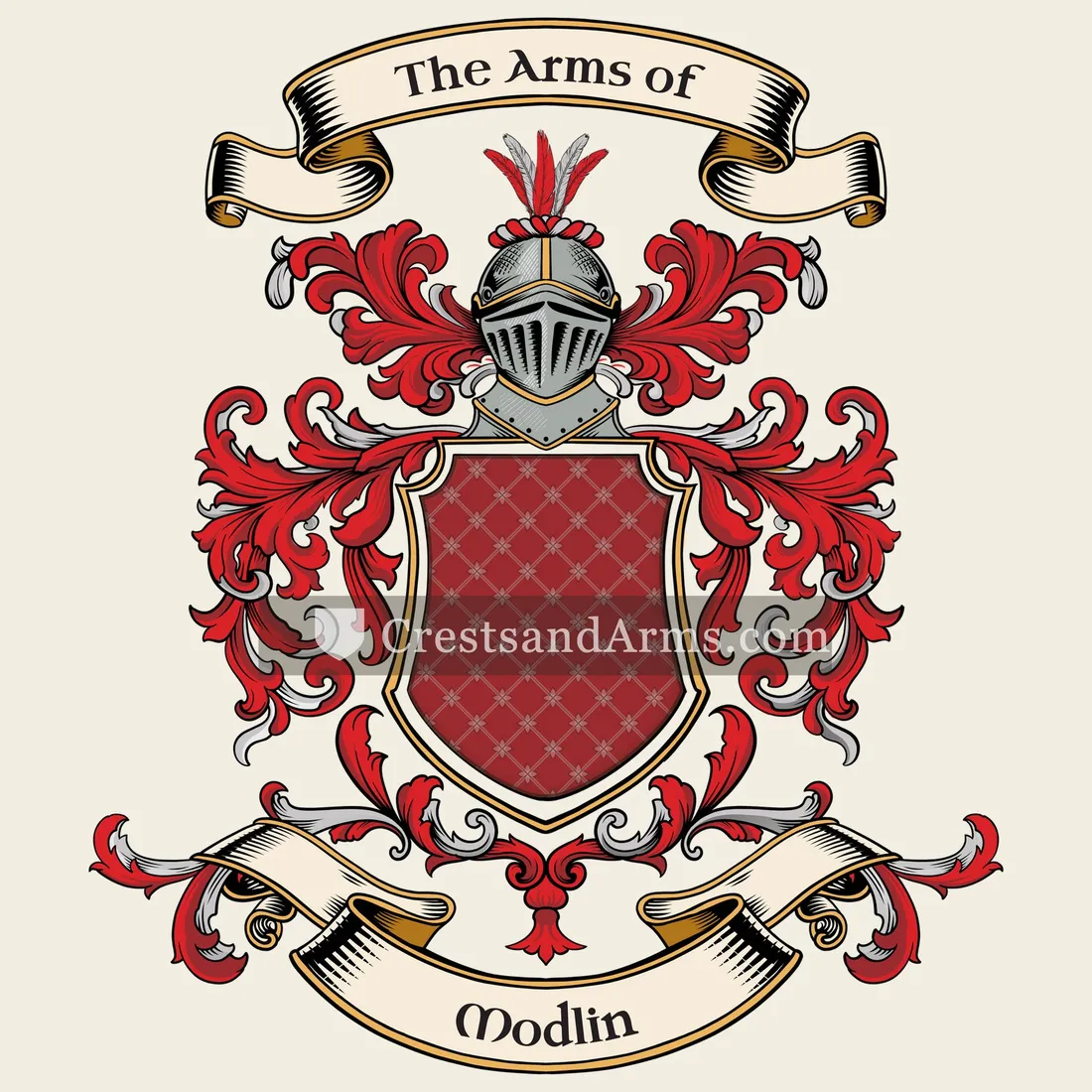
The Modlin arms were recorded in Bavaria, c. 1765.
Bavaria was a country of old landed families and walled market towns. Estates passed down the same line for centuries, and both the landowners and the leading townsmen kept arms, which is why so many Bavarian names sit in the registers.
This is where the arms were entered in the register. Families often moved to other parts of the country, so the same name can turn up in more than one region.
The body that granted and recorded arms in Germany in this period.
Francis I, Holy Roman Emperor
Sovereign of the period
Francis I, Holy Roman Emperor
1745–1765
Reigning in Germany when the Modlin arms are first recorded.
How Arms Worked in Germany
In the Holy Roman Empire, coats of arms were often granted to individuals by the Emperor or his representatives. These arms were then passed down through the generations to all legitimate descendants of the original holder. Younger branches of a family usually kept the same shield design without needing to change it, as the arms belonged to the entire lineage.
Granting authority
The Holy Roman Emperor held the sole power to grant new coats of arms throughout his vast imperial territories.
How they got arms
Families typically obtained their coats of arms through a formal imperial grant or by proving their noble status to the authorities.
Where arms were recorded
These grants were officially recorded in the Imperial Chancery registers, which began keeping formal records of such honors during the Middle Ages.
The family's standing
Recorded among the armigerous families of Bavaria.
Origin & History of the Modlin Family in Germany
The family name Modlin traces its roots to the historical region of Bavaria, where records confirm members of the family were established by 1765. During this period, Bavaria was part of the Holy Roman Empire and functioned as a collection of agricultural lands and small towns. Families like the Modlins were often tied to the local land and the specific trades required to support village life. The name itself likely evolved from regional dialects or geographic markers that identified where a person lived or what work they performed. As the family grew, they moved through the changing political landscapes of central Europe, eventually carrying their name across borders as they sought new opportunities. This early history reflects the broader movement of families who helped shape the cultural and social foundations of the Bavarian countryside during the eighteenth century.
Modlin Meaning & Related Branches
Root word
Modo
A Germanic personal name derived from the word for courage or spirit.
This name
ModlinA habitational name referring to someone from the town of Modlin in Poland or a derivative of the Germanic personal name Modo.
also spelled
Moedling
Medling
Documented Sources
J. B. Rietstap, Armorial Général, Gouda: G. B. van Goor Zonen, 1884–87