Coat of Arms & Family Crest Details
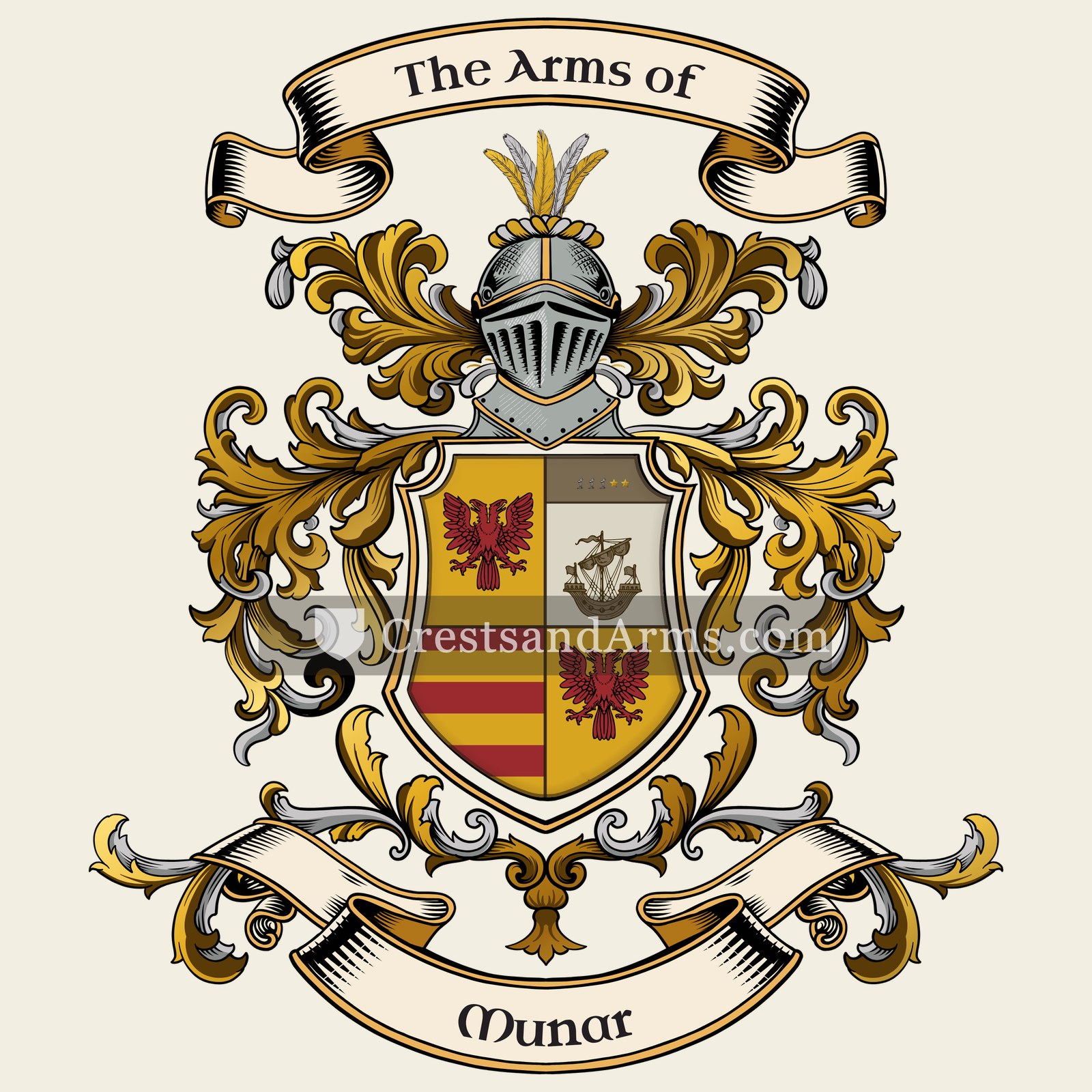
Symbols on this shield
 chiefAuthority, wisdom and dominion
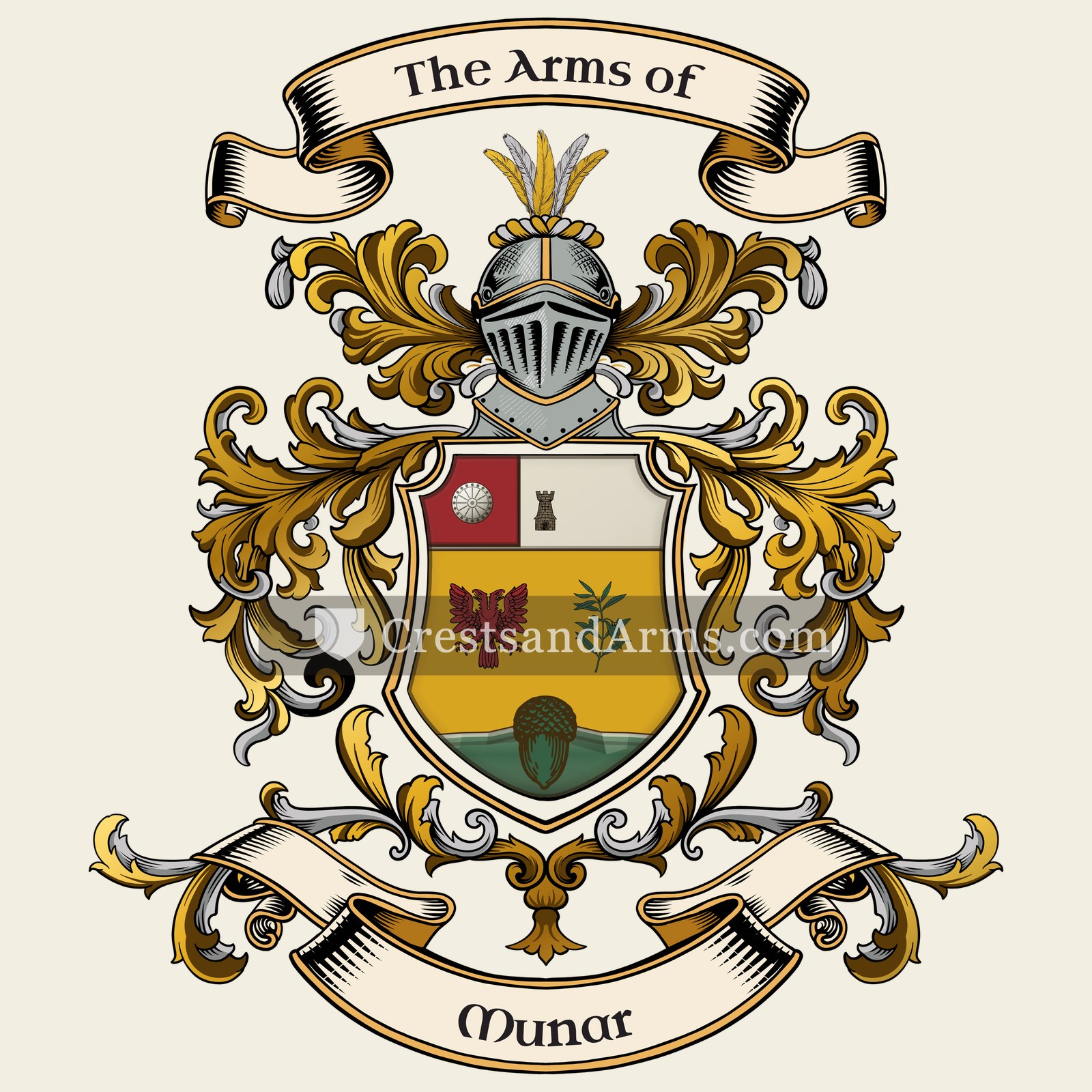
 mountThe ground held, and steadfastness upon it
 cantonA mark of honour granted by the sovereign
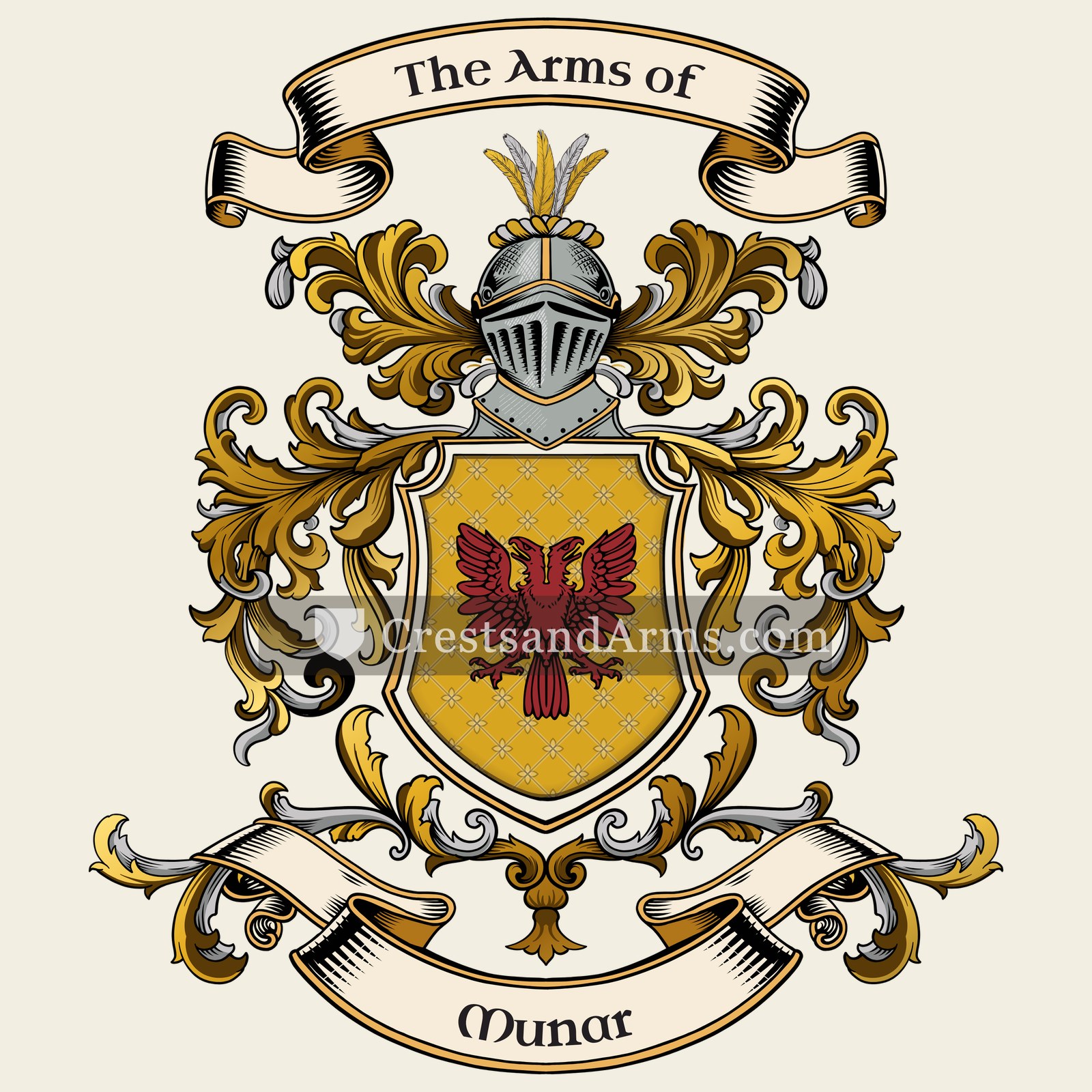
 eagleNobility, strength and a keen mind
 branchPeace, and new growth
 oakGreat age, strength and steadfastness
 towerGrandeur and solidity, and a stronghold defended
 roundelA coin, and one who has been to the crusades
 chiefAuthority, wisdom and dominion
 mountThe ground held, and steadfastness upon it
 cantonA mark of honour granted by the sovereign
 eagleNobility, strength and a keen mind
 branchPeace, and new growth
 oakGreat age, strength and steadfastness
 towerGrandeur and solidity, and a stronghold defended
 roundelA coin, and one who has been to the crusades
Colours
Gold (Or)Means: Generosity
Silver (Argent)Means: Peace and sincerity
Red (Gules)Means: Military strength
Green (Vert)Means: Hope
Historical info
Source
J. B. Rietstap, Armorial Général, Gouda: G. B. van Goor Zonen, 1884–87
Blazon (the actual original written record)“D'or à une tête d'aigle de gu., embrassée par une branche de laurier à dextre et une branche de chêne à sen., les pieds passés en saut.; au chef d'arg., ch. d'une forteresse indienne sur une colline au nat., la colline ch. du mot BADAMY en lettres d'or; au canton de gu., ch. d'une médaille d'arg., attachée à son ruban. C.: une aigle de profil au nat., tenant en son bec une branche de laurier, portant suspendue à son col la médaille d'arg. attachée à son ruban, et posant sa patte dextre sur un écusson de gu., ch. de la forteresse.”


 shipEnterprise, and a great voyage undertaken
 legStrength and swiftness
 mulletThe third son, and a divine quality from above