Map of Belgium showing where the Murin arms are recorded
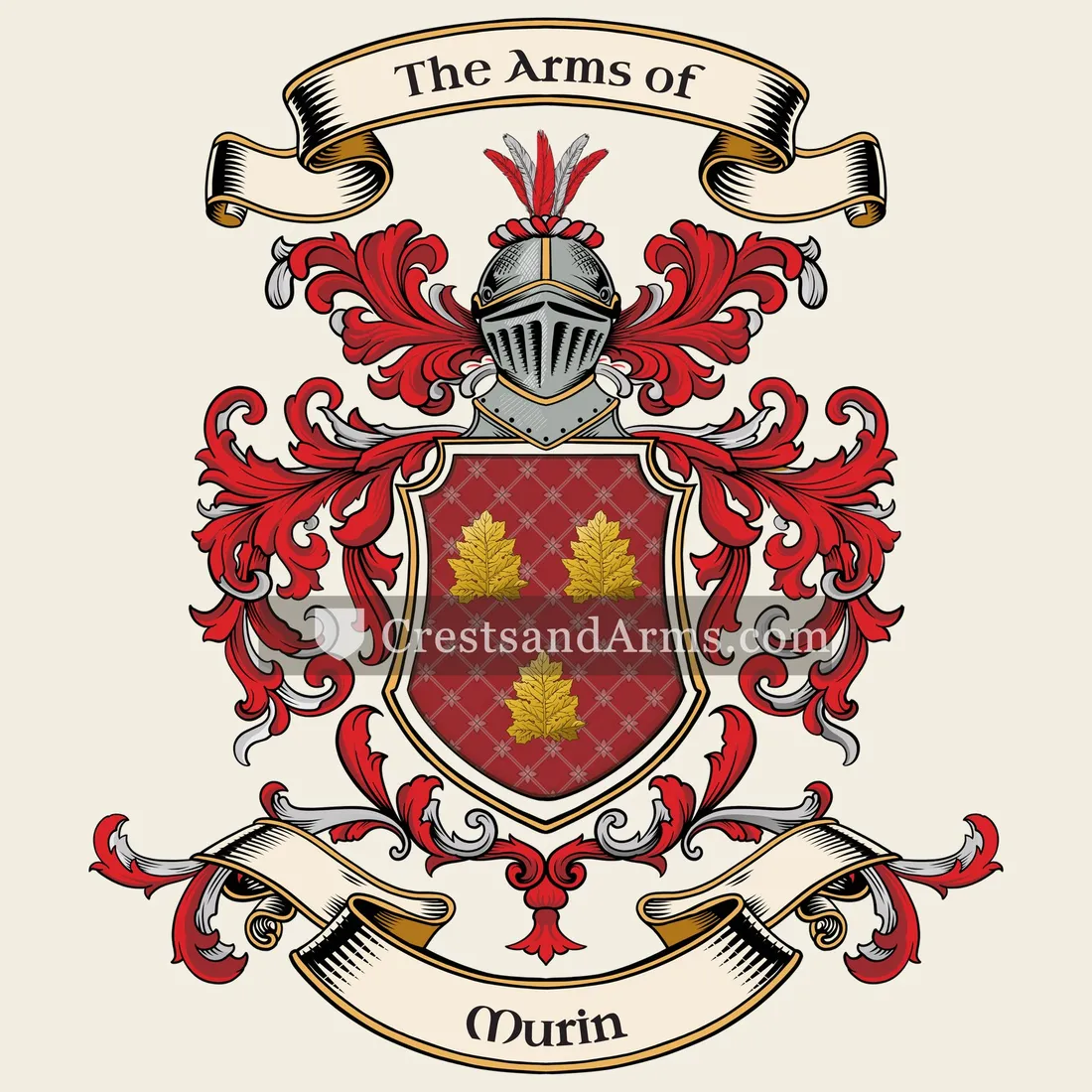
The Murin arms were recorded in Flandre, c. 1663.
Flandre grew rich on cloth, and its towns were among the busiest in Europe. Merchant families bought land with their profits and took arms to go with it, so trade put as many names in the registers here as land did.
This is where the arms were entered in the register. Families often moved to other parts of the country, so the same name can turn up in more than one region.
The body that granted and recorded arms in Belgium in this period.
Philip IV of Spain
Sovereign of the period
Philip IV of Spain
1621–1665
Reigning in Belgium when the Murin arms are first recorded.
How Arms Worked in Belgium
In Belgium, a coat of arms is considered personal property that is passed down through the male line to legitimate descendants. Families often use the same shield design across generations to show their shared heritage. If a branch of the family wants to change the design, they must apply for an official update to their specific version of the arms.
Granting authority
The Conseil héraldique is the official body that regulates and approves all coats of arms in Belgium.
How they got arms
Families obtain their coats of arms through formal royal grants or by confirming their historical right to use existing designs.
Where arms were recorded
All approved coats of arms are officially recorded in the public registers of the Conseil héraldique since 1844.
The family's standing
Recorded among the armigerous families of Flandre.
Origin & History of the Murin Family in Belgium
The family name Murin has deep roots in the historical region of Flandre, where records confirm members of the family were established by 1663. During the seventeenth century, this area was a busy crossroads of trade and cultural exchange between modern-day France, Belgium, and the Netherlands. Families living in Flandre at this time often worked in agriculture, textile production, or local administration, as the region was known for its prosperous merchant towns and fertile farmland. The name likely evolved from local dialects or occupational descriptions common to the Low Countries, reflecting the linguistic blend of French and Dutch influences that defined the area. By settling in Flandre, the early Murin family became part of a resilient society that navigated constant political shifts and religious changes, helping to shape the social fabric of the region during the early modern period.
Murin Meaning & Related Branches
Root word
Maurus
Derived from the Latin word for a dark-skinned person or Moor.
This name
MurinA patronymic surname indicating descent from a person named Maurus or Maurice.
also spelled
Meurijn
Meurien
Meurynne
Murin
Meurin
Documented Sources
J. B. Rietstap, Armorial Général, Gouda: G. B. van Goor Zonen, 1884–87
Archives départementales du Nord, Série G: Clergé séculier
Rijksarchief te Gent, Parochieregisters van het Bisdom Gent
Deneckere, M., Geschiedenis van de Nederlandse taal in de Westhoek, 1954
Lottin, A., Histoire des provinces françaises du Nord, 1989
Digital archive packCoat of arms PNG, gold border print PDF, vector SVG and the certificate of authenticity. Sent to your email in minutes.


 leafHappiness and abundance
 leafHappiness and abundance