Map of Switzerland showing where the Quaye arms are recorded
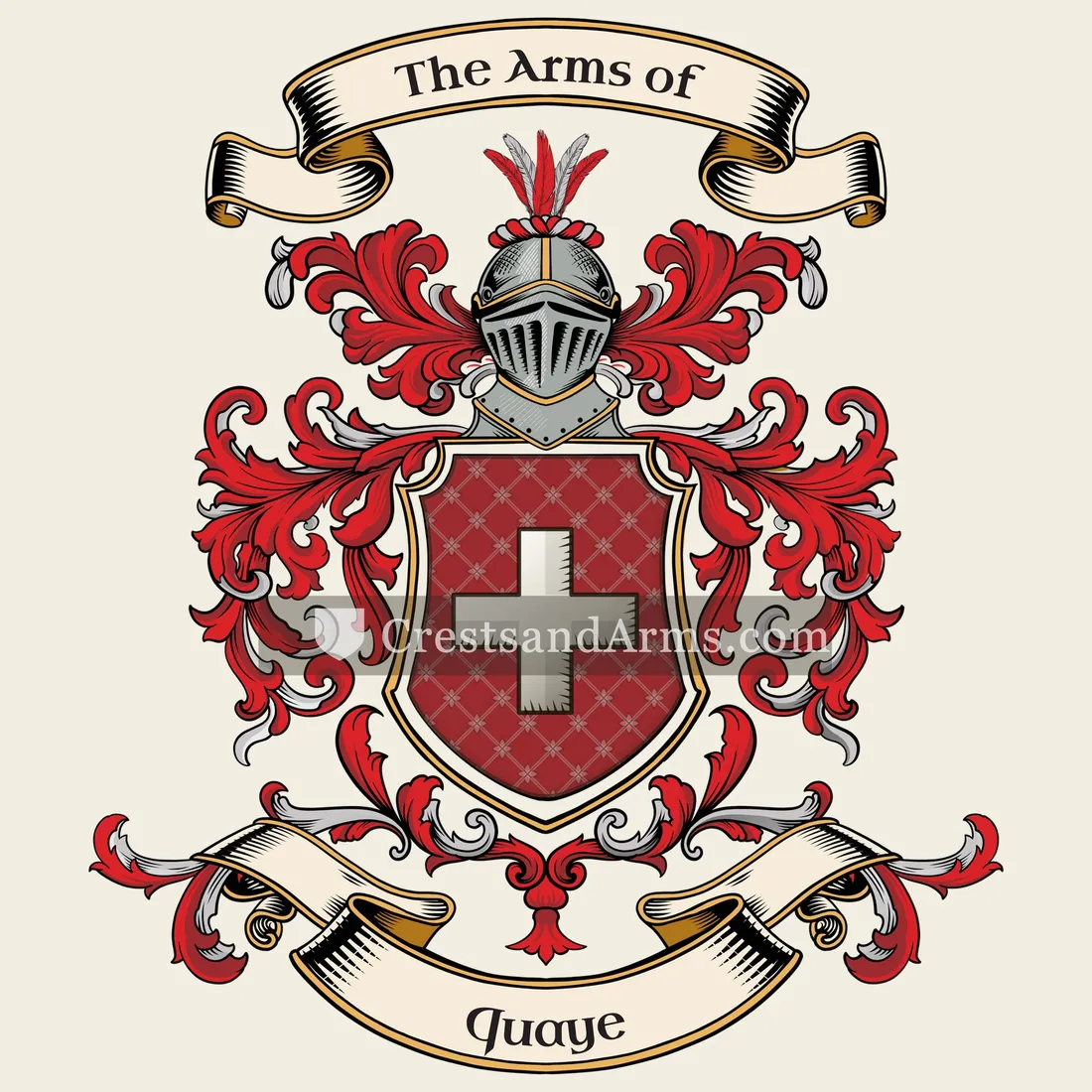
The Quaye arms were recorded in Switzerland, c. 1745.
Arms such as these were typically recorded in Bern.
Bern was the largest of the Swiss cantons and ran itself, with its own council and its own courts. Its governing families held office for generations, and office of that kind carried a shield with it.
This is where the arms were entered in the register. Families often moved to other parts of the country, so the same name can turn up in more than one region.
The body that granted and recorded arms in Switzerland in this period.
How Arms Worked in Switzerland
In Switzerland, coats of arms were not restricted to the nobility and were often adopted by common citizens and families. These symbols were passed down through generations to show family identity. When branches of a family grew, they often changed small details of the design to distinguish their own line from the original group.
Granting authority
Cantonal and civic authorities managed the use of coats of arms within their specific regions and local jurisdictions.
How they got arms
Families typically assumed their own coats of arms based on local custom rather than receiving them from a central monarch.
Where arms were recorded
Arms were recorded in various cantonal and civic registers starting from the fourteenth century throughout the Swiss region.
The family's standing
Recorded among the armigerous families of Switzerland.
Origin & History of the Quaye Family in Switzerland
The family name Quaye has deep roots that connect to the historical landscape of central Europe. By the year 1745, records confirm that members of the family were established residents of Bern, Switzerland. During this period, Bern was a powerful city-state where families often played significant roles in local trade, craftsmanship, or civic administration. The name itself likely evolved through regional linguistic shifts, reflecting the movement of people across the German-speaking territories. As the family settled into the social fabric of Bern, they became part of the long-standing traditions of the city, contributing to the local community during a time of great political and cultural stability. While the exact origins of the name remain a subject of study, its presence in 18th-century Swiss records highlights a legacy of endurance and integration within one of Europe’s most historic urban centers.
Quaye Meaning & Related Branches
Root word
Gaius
Latin name meaning to rejoice or be glad.
This name
QuayeA Swiss-German variant derived from the Latin name Gaius, signifying joy or happiness.
also spelled
Quai
Quey
Kway
Key
Documented Sources
J. B. Rietstap, Armorial Général, Gouda: G. B. van Goor Zonen, 1884–87
Burgerbibliothek Bern, Familiennamenbuch der Schweiz
Historischer Verein des Kantons Bern, Archiv des Historischen Vereins des Kantons Bern, 1745
Digital archive packCoat of arms PNG, gold border print PDF, vector SVG and the certificate of authenticity. Sent to your email in minutes.


 cross symbolChristian faith and service
 cross symbolChristian faith and service