Map of Switzerland showing where the Riedemann arms are recorded
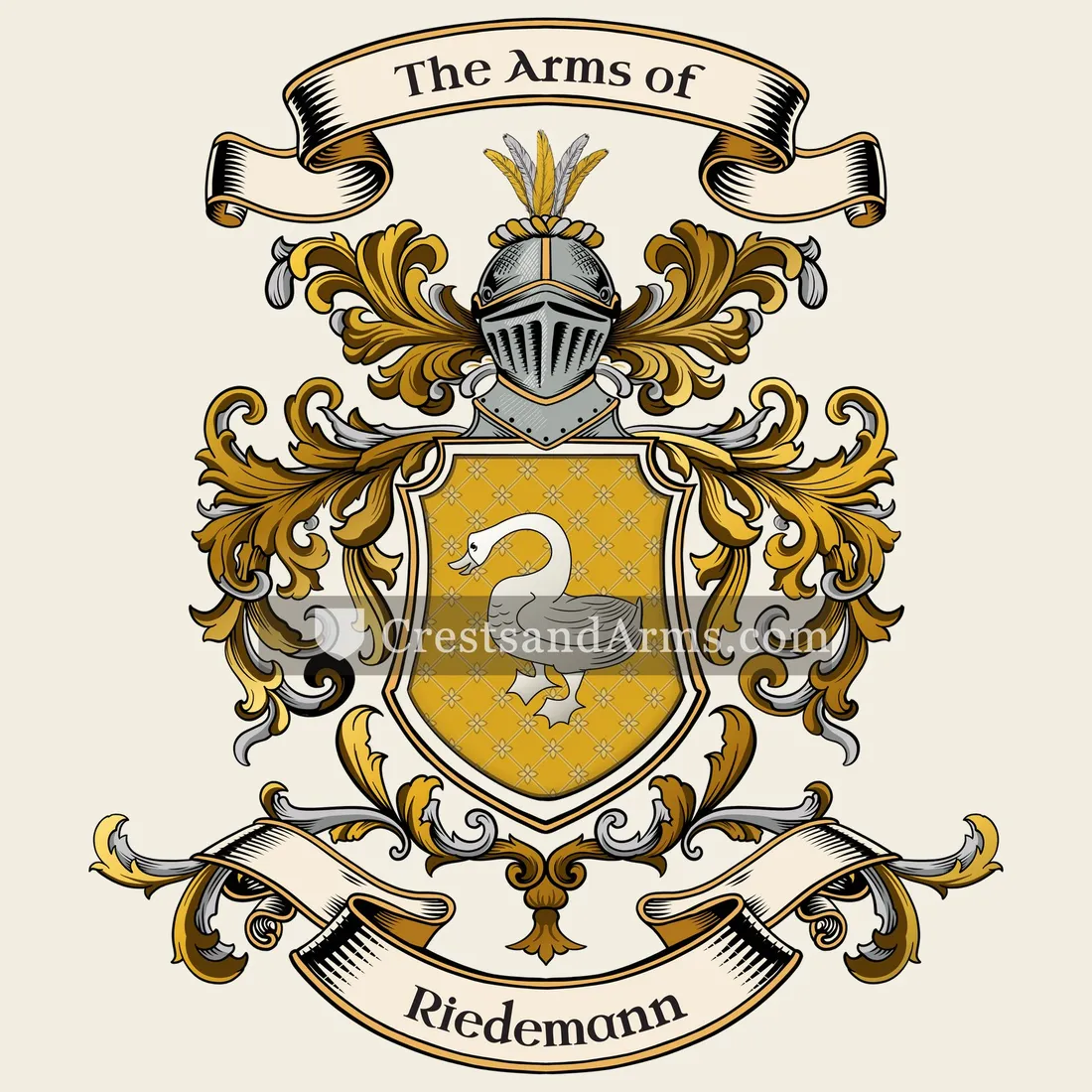
The Riedemann arms were recorded in Switzerland, c. 1745.
Arms such as these were typically recorded in Bern.
Bern was the largest of the Swiss cantons and ran itself, with its own council and its own courts. Its governing families held office for generations, and office of that kind carried a shield with it.
This is where the arms were entered in the register. Families often moved to other parts of the country, so the same name can turn up in more than one region.
The body that granted and recorded arms in Switzerland in this period.
How Arms Worked in Switzerland
In Switzerland, coats of arms were not restricted to the nobility and were often adopted by common citizens and families. These symbols were passed down through generations to show family identity. When branches of a family grew, they often changed small details of the design to distinguish their own line from the original group.
Granting authority
Cantonal and civic authorities managed the use of coats of arms within their specific regions and local jurisdictions.
How they got arms
Families typically assumed their own coats of arms based on local custom rather than receiving them from a central monarch.
Where arms were recorded
Arms were recorded in various cantonal and civic registers starting from the fourteenth century throughout the Swiss region.
The family's standing
Recorded among the armigerous families of Switzerland.
Origin & History of the Riedemann Family in Switzerland
The surname Riedemann is rooted in the linguistic traditions of the German-speaking regions of Europe, specifically emerging from a combination of words relating to landscape and occupation. The prefix "Ried" typically refers to marshy land or a reed-covered area, while the suffix "mann" identifies a person who lived near or worked on such terrain. By the mid-18th century, the family had established a documented presence in the city of Bern, Switzerland. Records from 1745 confirm their integration into the local community during a period when Bern was a powerful city-state known for its strict administrative record-keeping. Families like the Riedemanns often moved across central European borders for trade or agricultural opportunities, eventually settling into the social fabric of Swiss urban centers where they maintained their distinct family identity through generations of civic life.
Riedemann Meaning & Related Branches
Root word
Ried
A clearing or a marshy piece of land.
This name
RiedemannA person who lived near a marshy area or a clearing.
also spelled
Riedman
Riedtman
Rietmann
Reedtman
Reedman
Documented Sources
J. B. Rietstap, Armorial Général, Gouda: G. B. van Goor Zonen, 1884–87
Bahlow, Hans, Deutsches Namenlexikon: Familien- und Vornamen nach Ursprung und Sinn erklärt, 1967
Heintze, Albert, Die deutschen Familien-Namen: geschichtlich, geographisch, sprachlich, 1903
Staatsarchiv des Kantons Bern, Kirchenbücher der Stadt Bern (Baptismal and Marriage Registers), 1745
Digital archive packCoat of arms PNG, gold border print PDF, vector SVG and the certificate of authenticity. Sent to your email in minutes.


 swanGrace, light and the poet's art
 swanGrace, light and the poet's art