Map of Switzerland showing where the Roeber arms are recorded
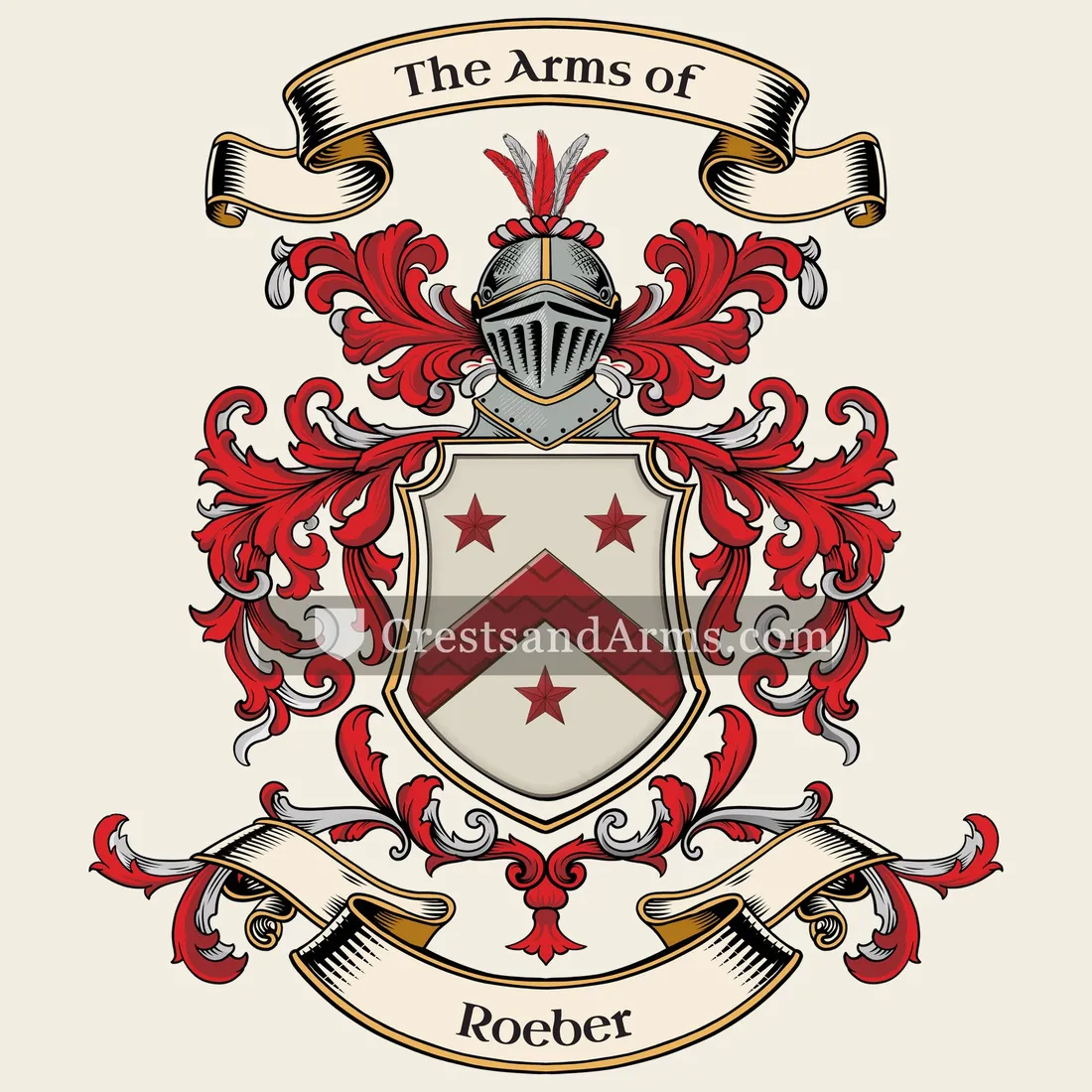
The Roeber arms were recorded in Bâle, c. 1745.
This is where the arms were entered in the register. Families often moved to other parts of the country, so the same name can turn up in more than one region.
The body that granted and recorded arms in Switzerland in this period.
How Arms Worked in Switzerland
In Switzerland, coats of arms were not restricted to the nobility and were often adopted by common citizens and families. These symbols were passed down through generations to show family identity. When branches of a family grew, they often changed small details of the design to distinguish their own line from the original group.
Granting authority
Cantonal and civic authorities managed the use of coats of arms within their specific regions and local jurisdictions.
How they got arms
Families typically assumed their own coats of arms based on local custom rather than receiving them from a central monarch.
Where arms were recorded
Arms were recorded in various cantonal and civic registers starting from the fourteenth century throughout the Swiss region.
The family's standing
Recorded among the armigerous families of Switzerland.
Origin & History of the Roeber Family in Switzerland
The family name Roeber is deeply rooted in the Germanic linguistic tradition, likely originating as a descriptive surname for people who worked with raw materials or lived near specific natural landmarks. By the mid-eighteenth century, the family established a notable presence in the city of Bâle, which is known today as Basel, Switzerland. Records from 1745 confirm that members of the Roeber family were active participants in the local community during this period. At that time, Bâle was a thriving center for trade and craftsmanship, and families like the Roebers often integrated into the urban economy through skilled labor or merchant activities. This historical connection to a major European crossroads suggests that early family members were part of the steady movement of people across the German-speaking regions of Europe during the Enlightenment era.
Roeber Meaning & Related Branches
Root word
Robrecht
Derived from the Germanic elements for bright and fame.
This name
RoeberA patronymic surname indicating a descendant of someone named Robert or Robrecht.
also spelled
Rebere
Reb
Documented Sources
J. B. Rietstap, Armorial Général, Gouda: G. B. van Goor Zonen, 1884–87
Staatsarchiv Basel-Stadt, Bürgerverzeichnisse und Einwohnerregister
Heintze, Albert, Die deutschen Familiennamen: geschichtlich, geographisch, sprachlich, 1903
Bahlow, Hans, Deutsches Namenlexikon: Familien- und Vornamen nach Ursprung und Sinn erklärt, 1967
Digital archive packCoat of arms PNG, gold border print PDF, vector SVG and the certificate of authenticity. Sent to your email in minutes.


 chevronProtection, and faithful service completed
 mulletThe third son, and a divine quality from above
 chevronProtection, and faithful service completed
 mulletThe third son, and a divine quality from above