Map of Netherlands showing where the Sumler arms are recorded
The Sumler arms were recorded in Leeuwarden, c. 1815.
This is where the arms were entered in the register. Families often moved to other parts of the country, so the same name can turn up in more than one region.
Region
Leeuwarden
Town
Leeuwarden
First recorded
1815
Granting Authority for the Sumler Arms
Hoge Raad van Adel
Photograph made by me · CC BY-SA 3.0
The body that granted and recorded arms in Netherlands in this period.
William I of the Netherlands
Sovereign of the period
William I of the Netherlands
1815–1840
Reigning in Netherlands when the Sumler arms are first recorded.
How Arms Worked in Netherlands
In the Netherlands, coats of arms were often used by noble families and those who held specific public offices. These arms were passed down through the generations to legitimate descendants. Younger branches of a family usually kept the original design without needing to add special marks. This system ensured that the family identity remained clear and consistent over many years.
Granting authority
The Hoge Raad van Adel is the official body that regulates and manages noble titles and coats of arms in the Netherlands.
How they got arms
Families typically obtained their coats of arms through official royal grants or by proving their long-standing historical use of the symbols.
Where arms were recorded
Coats of arms are officially recorded in the registers held by the Hoge Raad van Adel, which began its work in 1814.
The family's standing
Recorded among the armigerous families of Netherlands.
Origin & History of the Sumler Family in Netherlands
The history of the Sumler family in the Netherlands is rooted in the northern province of Friesland, specifically within the city of Leeuwarden. By the early 19th century, the family was well-established in this historic urban center, which served as a major hub for trade and administration in the region. During this period, the Netherlands underwent significant social changes, including the formalization of civil registration under the Napoleonic Code. This transition required families to solidify their surnames for official government records, helping to preserve the identity of the Sumler lineage. Living in Leeuwarden meant that early family members likely experienced the city’s transition from a provincial capital to a modernizing municipality. Their presence in the city archives from 1815 suggests they were part of the local working or merchant class that helped shape the social fabric of Friesland during the post-Napoleonic era.
Meaning of the Sumler family crest colors & symbols
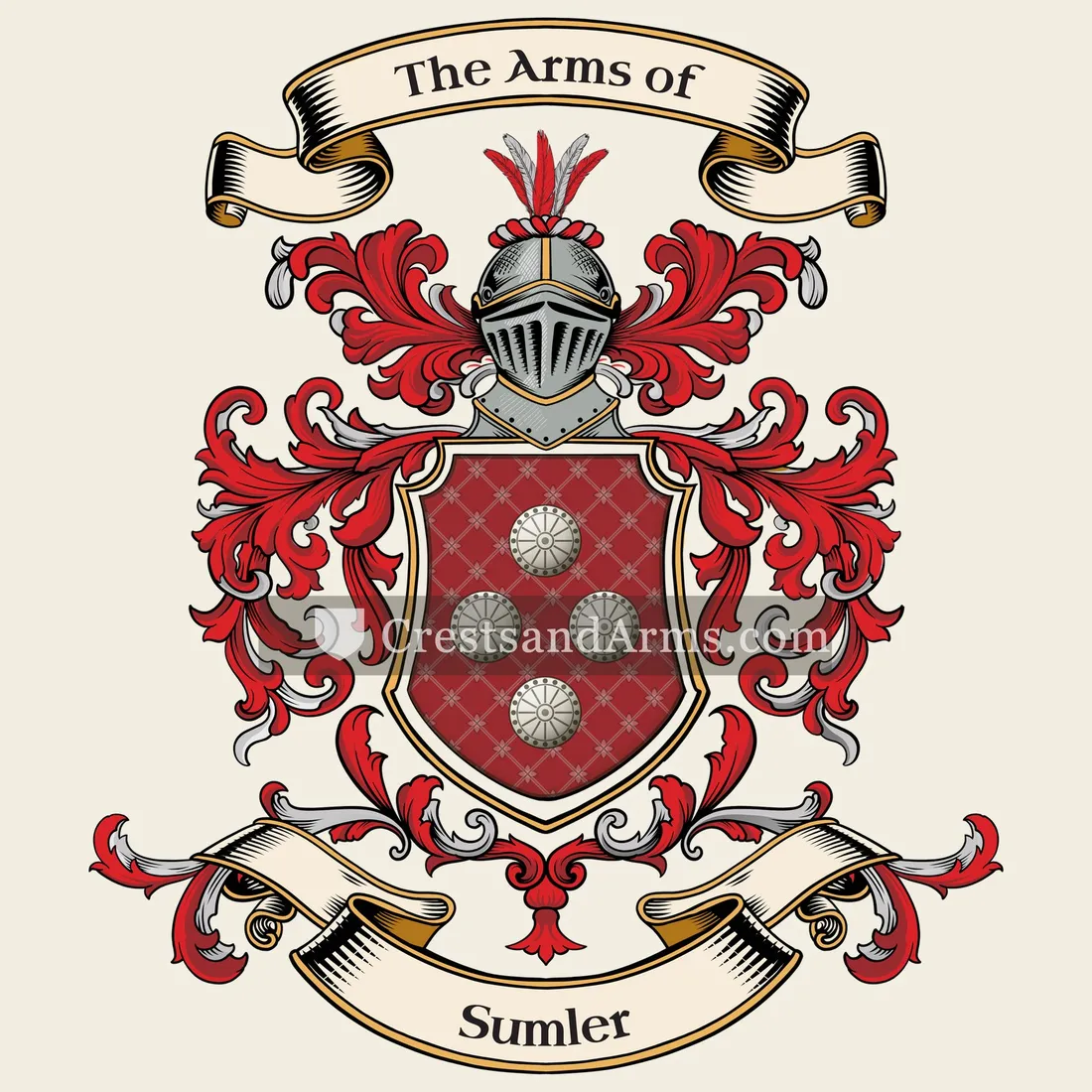
Symbols on this shield
roundelA coin, and one who has been to the crusades
Colours
Red (Gules)Means: Military strength
Silver (Argent)Means: Peace and sincerity
Historical info
Source
J. B. Rietstap, Armorial Général, Gouda: G. B. van Goor Zonen, 1884–87
Blazon (the actual original written record)
“De gu. à quatre boules d'arg., s'entre-touchant, 1, 2 et 1. C.: les boules de l'écu, entre deux prob. de gu.”
GermanyNuremberg, c. 1765
Digital archive packCoat of arms PNG, gold border print PDF, vector SVG and the certificate of authenticity. Sent to your email in minutes.
Map of Germany showing where the Sumler arms are recorded
The Sumler arms were recorded in Nuremberg, c. 1765.
This is where the arms were entered in the register. Families often moved to other parts of the country, so the same name can turn up in more than one region.
The body that granted and recorded arms in Germany in this period.
Francis I, Holy Roman Emperor
Sovereign of the period
Francis I, Holy Roman Emperor
1745–1765
Reigning in Netherlands when the Sumler arms are first recorded.
How Arms Worked in Germany
In the Holy Roman Empire, coats of arms were often granted to individuals by the Emperor or his representatives. These arms were then passed down through the generations to all legitimate descendants of the original holder. Younger branches of a family usually kept the same shield design without needing to change it, as the arms belonged to the entire lineage.
Granting authority
The Holy Roman Emperor held the sole power to grant new coats of arms throughout his vast imperial territories.
How they got arms
Families typically obtained their coats of arms through a formal imperial grant or by proving their noble status to the authorities.
Where arms were recorded
These grants were officially recorded in the Imperial Chancery registers, which began keeping formal records of such honors during the Middle Ages.
The family's standing
Recorded among the armigerous families of Germany.
Origin & History of the Sumler Family in Germany
The family name Sumler finds its roots in the historical landscape of southern Germany, with documented evidence placing members of the family in the city of Nuremberg by 1765. During the eighteenth century, Nuremberg served as a major center for trade, craftsmanship, and intellectual growth within the Holy Roman Empire. Families living in this region often derived their surnames from specific occupations, geographic features, or local nicknames, reflecting the structured social life of the era. As residents of a bustling urban hub, the early Sumlers were likely integrated into the city’s guild system or the merchant class that defined Nuremberg’s economy. This period was marked by significant bureaucratic record-keeping, as city officials tracked residents for tax purposes and civic duties. By establishing a presence in such a prominent city, the Sumler family became part of the long tradition of German urban life that shaped the social and cultural identity of the region for generations.
Sumler Meaning & Related Branches
Root word
Somme
A river or body of water.
This name
SumlerA topographic name for someone who lived near a river or stream.
also spelled
Semle
Documented Sources
J. B. Rietstap, Armorial Général, Gouda: G. B. van Goor Zonen, 1884–87
AlleFriezen, Burgerlijke Stand Leeuwarden (1815)
Tresoar, Frysk Histoarysk en Letterkundich Sintrum, Bevolkingsregister Leeuwarden
Digital archive packCoat of arms PNG, gold border print PDF, vector SVG and the certificate of authenticity. Sent to your email in minutes.


 mountThe ground held, and steadfastness upon it
 treeLife, endurance and deep roots
 mountThe ground held, and steadfastness upon it
 treeLife, endurance and deep roots
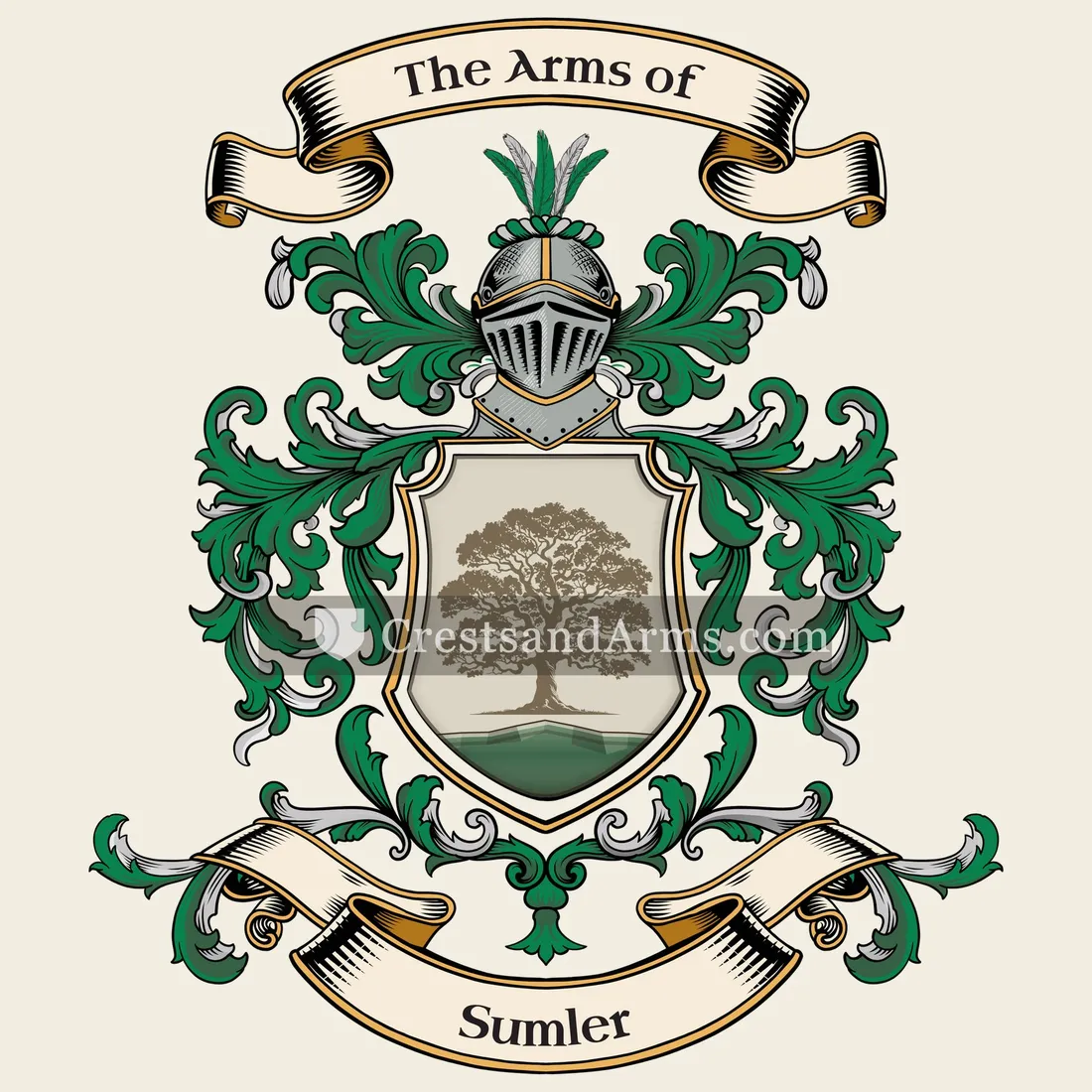


 roundelA coin, and one who has been to the crusades